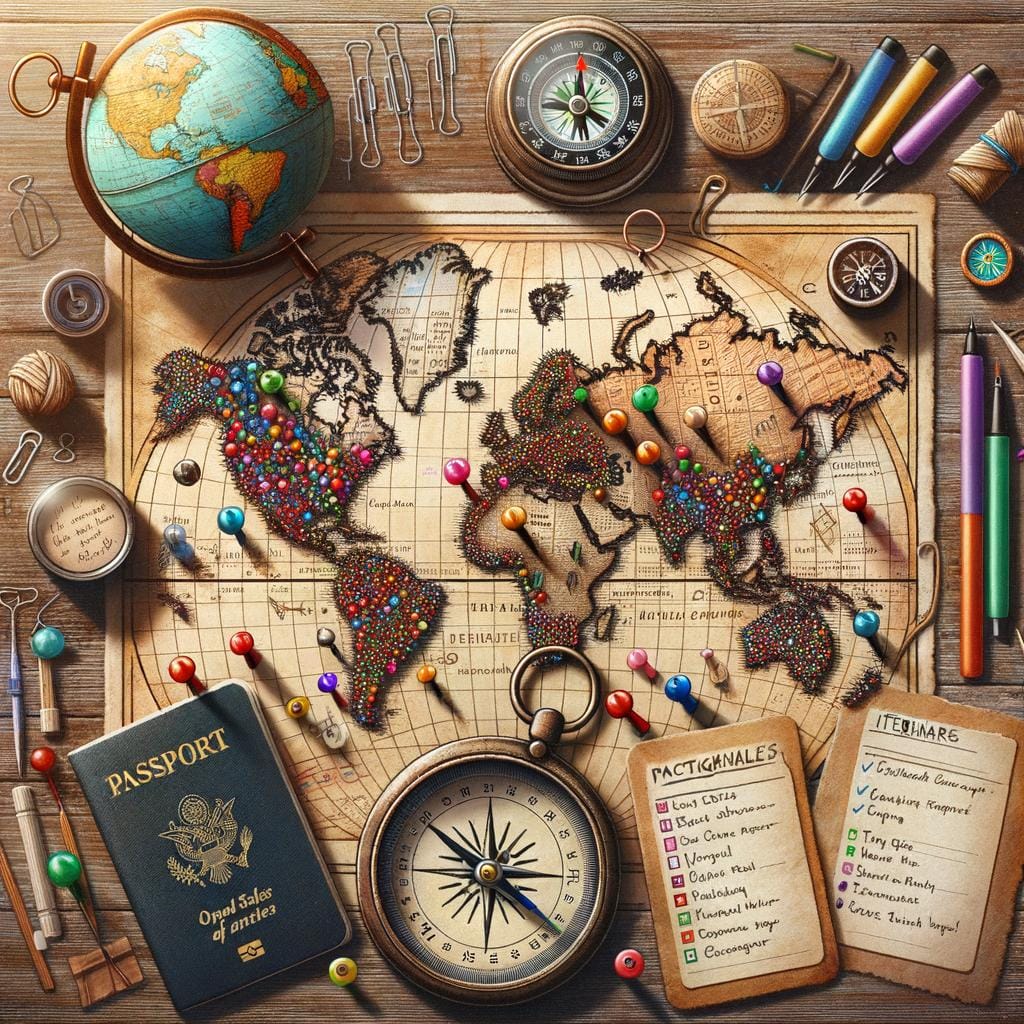

Are you looking to elevate your travel experiences beyond just sightseeing and ticking off destinations on a list? If so, then holistic travel planning might be the solution for you.
In today’s fast-paced world, where stress and burnout are common, taking a holistic approach to travel can provide much-needed rejuvenation and a deeper connection with oneself and the world around us. Holistic travel planning involves considering not just the logistics of your trip but also your overall well-being, personal values, and impact on the environment.
Setting intentions for your journey is a key component of holistic travel planning. By defining clear intentions before embarking on a trip, you can ensure that your travels align with your goals for relaxation, self-discovery, cultural exploration, or any other purpose you seek to fulfill. This mindful approach allows you to curate an itinerary that resonates with your inner desires and values, leading to a more meaningful and fulfilling travel experience.
Furthermore, selecting destinations that nourish your body, mind, and soul is crucial in holistic travel planning. Instead of simply choosing popular tourist spots, consider places that offer activities aligned with your well-being goals.
Whether it’s immersing yourself in nature for healing purposes or engaging in cultural experiences for personal growth, being mindful of how each destination contributes to your overall journey can enhance the quality of your travels. Stay tuned as we delve deeper into the components of holistic travel planning and how they can transform your next adventure into a truly enriching experience.
Setting Intentions for Your Journey
Setting intentions before embarking on a journey is a powerful practice that can significantly enhance your travel experience. By taking the time to set clear intentions for your trip, you can shape the way you engage with different aspects of your travels and deepen your connection to the places you visit. Here are some key reasons why setting intentions is crucial for holistic travel planning:
- Clarity and Focus: Setting intentions helps you clarify what you hope to achieve or experience during your trip, providing a sense of focus and direction as you navigate through different destinations.
- Meaningful Experiences: When you have clear intentions, you are more likely to seek out experiences that align with your goals, leading to more meaningful and fulfilling interactions with the places, people, and cultures you encounter.
- Mindful Presence: Intentions serve as a reminder to be present and engaged in each moment of your journey, allowing you to fully appreciate the beauty and richness of your surroundings.
In setting intentions for your travel, it is essential to reflect on what truly matters to you and what you hope to gain from your experiences. Whether it is a desire for personal growth, cultural immersion, relaxation, adventure, or simply finding moments of peace and connection, being intentional about these aspects can guide your decisions throughout your journey. It’s not only about reaching a specific destination but also about the inner journey that takes place along the way.
By incorporating intention-setting into your holistic travel planning process, you can cultivate a deeper sense of purpose and fulfillment during your travels. Allow yourself the space to reflect on what values and desires drive your wanderlust, and let these intentions guide you towards creating enriching experiences that resonate with your heart and soul. Remember that every journey is an opportunity for growth and transformation when approached with mindfulness and intentionality.
Mindful Destination Selection
When embarking on a journey, one of the key aspects of holistic travel planning is selecting destinations that resonate with your personal values and well-being goals. By mindfully choosing where to travel, you can ensure a more meaningful and fulfilling experience. Here are some tips for selecting destinations that align with your intentions:
- Research: Take the time to research different destinations and learn about their cultural, environmental, and social aspects. Consider what aspects of a place are important to you and how they align with your values.
- Reflect on your goals: Before deciding on a destination, reflect on what you hope to gain from your travels. Whether it’s relaxation, adventure, cultural exploration, or personal growth, choose a place that can help you achieve those objectives.
- Connect with nature: If being in nature is an important part of your well-being goals, consider destinations known for their natural beauty such as national parks, coastal areas, or mountainous regions.
By intentionally selecting destinations that align with your values and well-being goals, you can enhance the overall quality of your travel experience. Holistic travel planning involves ensuring that every aspect of your journey contributes positively to your physical, mental, and emotional well-being. As you plan your next trip, remember to prioritize destinations that resonate with who you are and what you seek to gain from your travels.
Sustainable Travel Practices
Understanding the Importance of Sustainable Travel
In today’s world, where climate change and environmental degradation are pressing issues, it is essential for travelers to adopt sustainable travel practices. Sustainable travel involves making conscious choices that minimize negative impacts on the environment, local communities, and wildlife.
By reducing our carbon footprint, supporting local economies, and respecting cultural heritage, we can contribute to a more responsible and ethical approach to tourism. Through holistic travel planning, integrating sustainable practices into our journeys becomes a key consideration for environmentally conscious travelers.
Tips for Reducing Your Environmental Impact
There are several ways in which travelers can reduce their environmental impact while on the road. One of the most effective ways is to minimize waste by opting for reusable water bottles, shopping bags, and toiletry containers. Choosing eco-friendly accommodations that prioritize energy efficiency and waste reduction is another way to support sustainable tourism.
Additionally, utilizing public transportation or biking instead of renting a car can significantly reduce carbon emissions during your travels. By being mindful of your consumption habits and choosing environmentally friendly options, you can play a part in promoting sustainability in the travel industry.
Supporting Conservation Efforts
Beyond minimizing negative impacts, sustainable travel also involves actively supporting conservation efforts in destination areas. This can include volunteering with local environmental organizations, participating in beach clean-ups or tree planting initiatives, or donating to wildlife conservation projects.
By engaging with and contributing to conservation efforts during your travels, you can make a positive difference in protecting natural ecosystems and biodiversity. Incorporating these actions into your holistic travel planning not only benefits the environment but also helps create meaningful connections with the places you visit.
Nourishing Your Body and Mind
When it comes to holistic travel planning, one essential aspect to consider is how you nourish your body and mind during your journey. Eating well and making time for relaxation activities can greatly enhance your overall travel experience. By prioritizing good nutrition and incorporating mindfulness practices into your itinerary, you can maintain a sense of well-being and balance while exploring new destinations.
Importance of Healthy Eating
Eating well while traveling is not just about fueling your body with nutritious foods, but also about experiencing the local cuisine in a mindful way. Trying new dishes made with fresh, local ingredients can be a delightful way to immerse yourself in the culture of your destination. Additionally, staying hydrated and choosing wholesome options can help boost your energy levels and support your immune system while on the road.
Incorporating Relaxation Activities
In the midst of sightseeing and exploring new surroundings, it’s important to carve out time for relaxation activities that promote mental and emotional well-being. Whether it’s practicing yoga by the beach, meditating in a peaceful garden, or simply taking a leisurely walk in nature, finding moments of calmness can revitalize your spirit during travel. These activities not only help reduce stress but also allow you to fully appreciate the present moment and recharge for further exploration.
Creating Balance
By incorporating both healthy eating habits and relaxation activities into your travel itinerary, you can create a sense of balance that nourishes both your body and mind. Making conscious choices about what you eat and how you spend your time during a trip can lead to a more fulfilling experience overall. Remember that holistic travel planning is all about taking care of yourself in every aspect of your journey – physically, mentally, emotionally, and spiritually – for a truly transformative travel experience.
Connecting With Nature
The great outdoors offers endless opportunities for exploration, relaxation, and rejuvenation. When it comes to holistic travel planning, connecting with nature is a key aspect that can have a profound impact on your overall well-being. Whether you prefer hiking through lush forests, lounging on sandy beaches, or stargazing under the night sky, immersing yourself in the natural world can be a transformative experience.
Research has shown that spending time in nature can reduce stress, improve mood, and boost creativity and cognitive function. By incorporating nature-based activities into your travel itinerary, you can enhance your physical, mental, and emotional health while fostering a deeper connection with the environment.
One of the easiest ways to connect with nature during your travels is by seeking out destinations that offer ample opportunities for outdoor activities. National parks, nature reserves, botanical gardens, and coastal areas are just a few examples of places where you can immerse yourself in the beauty of the natural world.
Whether you’re into birdwatching, wildlife spotting, kayaking, or simply taking leisurely walks along scenic trails, there are countless ways to engage with nature while traveling. Additionally, participating in ecotourism activities such as guided nature walks, wildlife safaris, or sustainable farming experiences can provide valuable insights into local ecosystems and conservation efforts.
In addition to exploring natural landscapes and wildlife habitats, engaging in nature-based mindfulness practices can further deepen your connection with the environment. Activities such as forest bathing (shinrin-yoku), meditation by the water’s edge, or yoga sessions in scenic outdoor settings can help you feel grounded and present in the moment.
These practices not only promote relaxation and stress relief but also encourage introspection and self-awareness. By taking the time to connect with nature on a deeper level during your travels, you may discover a renewed sense of gratitude for the earth’s beauty and resilience.
| Benefits of Connecting With Nature During Travel | Ways to Connect With Nature |
|---|---|
| Reduces stress levels | Visit national parks or botanical gardens |
| Improves mood and mental health | Participate in guided nature walks or wildlife safaris |
| Fosters creativity and cognitive function | Engage in mindfulness practices like forest bathing or yoga |
Cultural Immersion and Authentic Experiences
Traveling is more than just visiting new places; it’s about immersing yourself in the local culture and seeking out authentic experiences that can truly enrich your journey. Cultural immersion allows travelers to go beyond surface-level interactions and gain a deeper understanding of the traditions, customs, and way of life of the destinations they visit.
By engaging with locals, partaking in traditional activities, and exploring off-the-beaten-path locations, travelers can create meaningful connections and memories that will last a lifetime.
One of the key benefits of cultural immersion is gaining new perspectives and broadening your horizons. By stepping outside of your comfort zone and experiencing different ways of life, you can challenge your assumptions, break down stereotypes, and cultivate a greater sense of empathy and understanding for people from diverse backgrounds. These intercultural experiences not only enhance your travel experience but also play a crucial role in personal growth and development.
Seeking out authentic experiences goes hand in hand with cultural immersion, as it allows travelers to engage with the local community in a genuine and meaningful way. Whether it’s participating in traditional ceremonies, cooking classes with locals, or staying in homestays, these experiences provide insight into the daily lives of residents and offer a unique perspective that guidebooks cannot capture.
Authentic interactions foster mutual respect between travelers and locals, leading to more profound connections that transcend language barriers and cultural differences.
| Benefit | Example |
|---|---|
| Cultural Immersion | Engaging with locals during festivals or ceremonies |
| New Perspectives | Breaking down stereotypes by experiencing different cultures firsthand |
| Authentic Experiences | Participating in traditional cooking classes led by local chefs |
Reflecting and Incorporating Learnings
Traveling is not just about the destinations you visit but also about the experiences and lessons you gain along the way. Reflecting on your journey and incorporating new perspectives and learnings into your daily life post-trip is an essential part of holistic travel planning. Taking the time to process your experiences can help you grow personally, emotionally, and even spiritually.
After returning from a trip, set aside some time for reflection. Think about the places you visited, the people you met, and the activities you engaged in. Consider how these experiences have impacted you and what lessons you have learned. Did you discover something new about yourself? Did you gain a deeper understanding of a different culture or way of life? Reflecting on these questions can help you make sense of your travel experience and find meaning in it.
Once you have reflected on your journey, look for ways to incorporate the learnings into your daily life. Perhaps you picked up some healthy eating habits during your travels that you want to continue at home. Or maybe you learned how to be more mindful and present in the moment while exploring a new place.
By consciously integrating these newfound perspectives and practices into your routine, you can keep the spirit of travel alive within you even after returning home. Holistic travel planning isn’t just about the trip itself; it’s also about using those experiences to enrich your everyday life.
Building a Holistic Travel Toolkit
In today’s fast-paced world, incorporating holistic travel planning into your adventures can truly elevate your overall travel experience. By taking a more intentional and mindful approach to your journeys, you can ensure that each trip enriches not only your external experiences but also nurtures your internal well-being. Building a holistic travel toolkit is essential for travelers looking to continue practicing this approach in the future.
One key aspect of holistic travel planning is setting intentions for your journey. By clarifying your goals and desires before embarking on a trip, you can tailor your travel experiences to align with what truly matters to you. Mindful destination selection plays a crucial role in this process, as choosing places that resonate with your values and well-being goals can enhance the transformative nature of your travels.
Sustainable travel practices are another vital component of holistic travel planning. By reducing your environmental impact while on the road, you not only contribute to preserving our planet but also create a more authentic and meaningful travel experience. Nourishing both your body and mind through healthy eating choices and relaxation activities can further enhance the overall well-being benefits of traveling holistically.
Connecting with nature and immersing yourself in local cultures are also powerful ways to deepen your travel experiences and gain new perspectives on the world around you. Ultimately, by reflecting on your journey and incorporating learnings into your daily life post-trip, you can continue to grow and evolve through each travel experience, creating a ripple effect of positive transformation in all aspects of your life.
Frequently Asked Questions
What Is Holistic Travel?
Holistic travel is a type of travel that focuses on nourishing the mind, body, and spirit. It involves exploring destinations with the intention of personal growth, well-being, and cultural understanding. This form of travel often includes activities such as yoga retreats, meditation sessions, nature immersion, and healthy eating options to promote overall wellness.
How Do I Come Up With a Travel Plan?
To come up with a travel plan, start by determining your destination based on personal interests such as culture, food, history, or outdoor activities. Research the location’s top attractions, local customs, transportation options, accommodations, and budget considerations.
Create an itinerary that includes a balance of planned activities and free time to explore spontaneously. Consider factors like weather conditions and seasonal events when finalizing your plan.
Can Someone Plan a Trip for Me?
Yes, someone can plan a trip for you if you prefer assistance or have limited time to do it yourself. Travel agents specialize in creating personalized itineraries based on your preferences and requirements.
They can offer suggestions for destinations, accommodations, activities, transportation arrangements, and tour packages tailored to your needs. Utilizing a travel agent can save you time and ensure a smooth planning process from start to finish.

Founder and Chief Editor: With a decade of experience in the travel industry and a lifetime passion for holistic health, Debra ensures that every piece of content on Wellness Travel Hub reflects our mission and values.