
Health volunteer programs play a crucial role in providing support and assistance to communities in need. Volunteering in health programs not only offers individuals the opportunity to make a positive impact but also allows them to enhance their skills and knowledge in the field of healthcare. These programs are vital in bridging gaps in healthcare services, especially in underserved areas around the world.
By participating in health volunteer programs, individuals can gain valuable experience, expand their professional network, and contribute to improving the overall well-being of communities. Whether it’s providing medical care, promoting public health initiatives, or offering emotional support to patients, volunteers play a significant role in addressing various health issues.
There is a wide range of health volunteer programs available for individuals interested in making a difference. From medical mission trips to local community outreach projects, volunteers can choose opportunities that align with their interests and expertise. These programs not only benefit the recipients but also provide volunteers with a sense of fulfillment and purpose as they work towards creating healthier and happier communities.
Benefits of Volunteering in Health Programs
Volunteering in health programs can have a wide range of benefits, both for the volunteer themselves and for the communities they serve. One significant benefit is the opportunity to make a direct impact on the well-being of individuals who may not have access to quality healthcare otherwise. By volunteering their time and skills, individuals can contribute to improving healthcare outcomes and overall quality of life for those in need.
Personal Growth and Development
In addition to helping others, volunteering in health programs can also lead to personal growth and development. Volunteers often gain valuable experience working in diverse environments, honing their communication and interpersonal skills, and increasing their knowledge about health-related issues. This hands-on experience can be a great way to build confidence, develop new skills, and even explore potential career paths in the healthcare field.
Building Stronger Communities
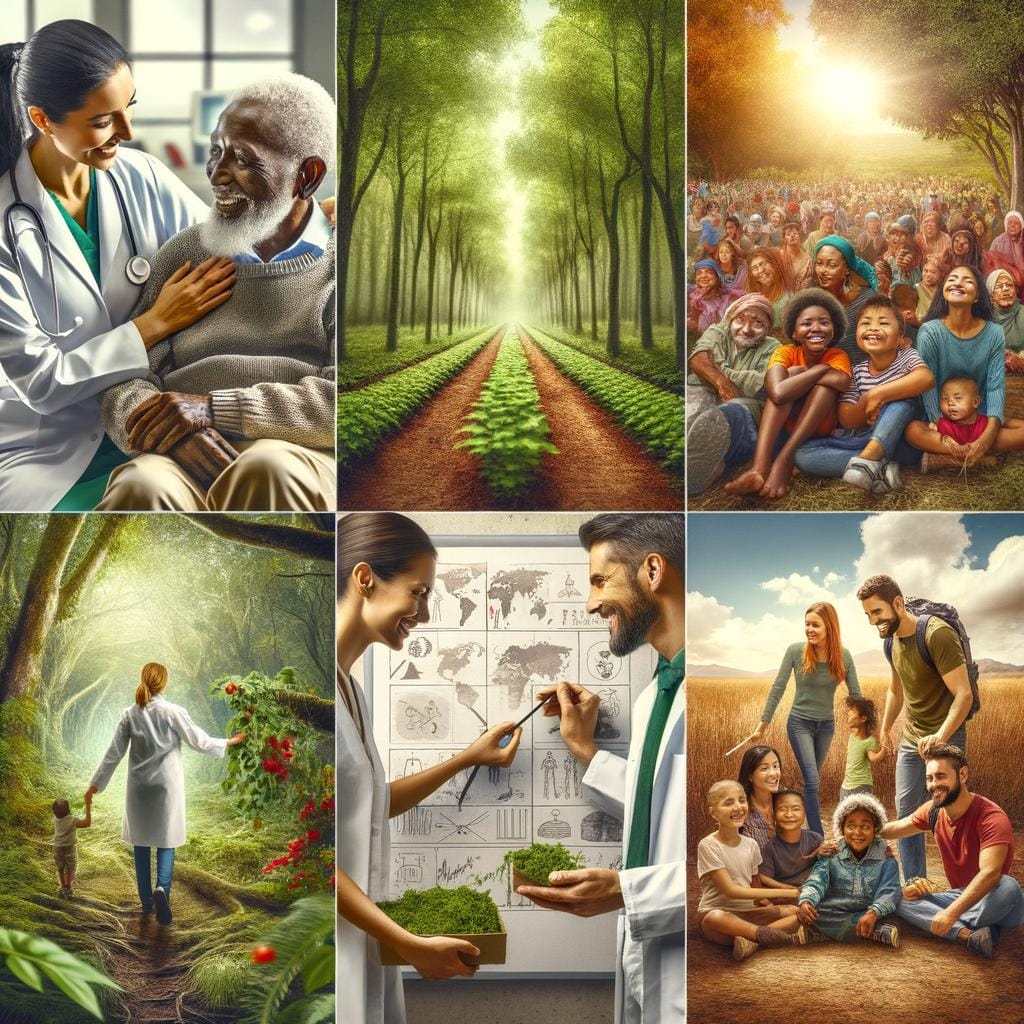
Health volunteer programs play a crucial role in building stronger, more resilient communities. By providing support to underserved populations, volunteers help bridge gaps in healthcare services and promote equity in access to care. This not only improves the health outcomes of individuals but also contributes to the overall well-being and cohesion of communities. Volunteers serving in health programs often become advocates for positive change, inspiring others to get involved and creating a ripple effect of community engagement.
Types of Health Volunteer Programs Available
Health Volunteer Programs encompass a wide range of opportunities for individuals looking to make a meaningful impact in the healthcare sector. Whether you have a background in healthcare or simply have a passion for helping others, there are various types of programs available to suit different interests and skill sets. Here are some common types of health volunteer programs that you can consider:
- Medical Missions: These programs involve traveling to underserved communities locally or internationally to provide medical care and support to those in need.
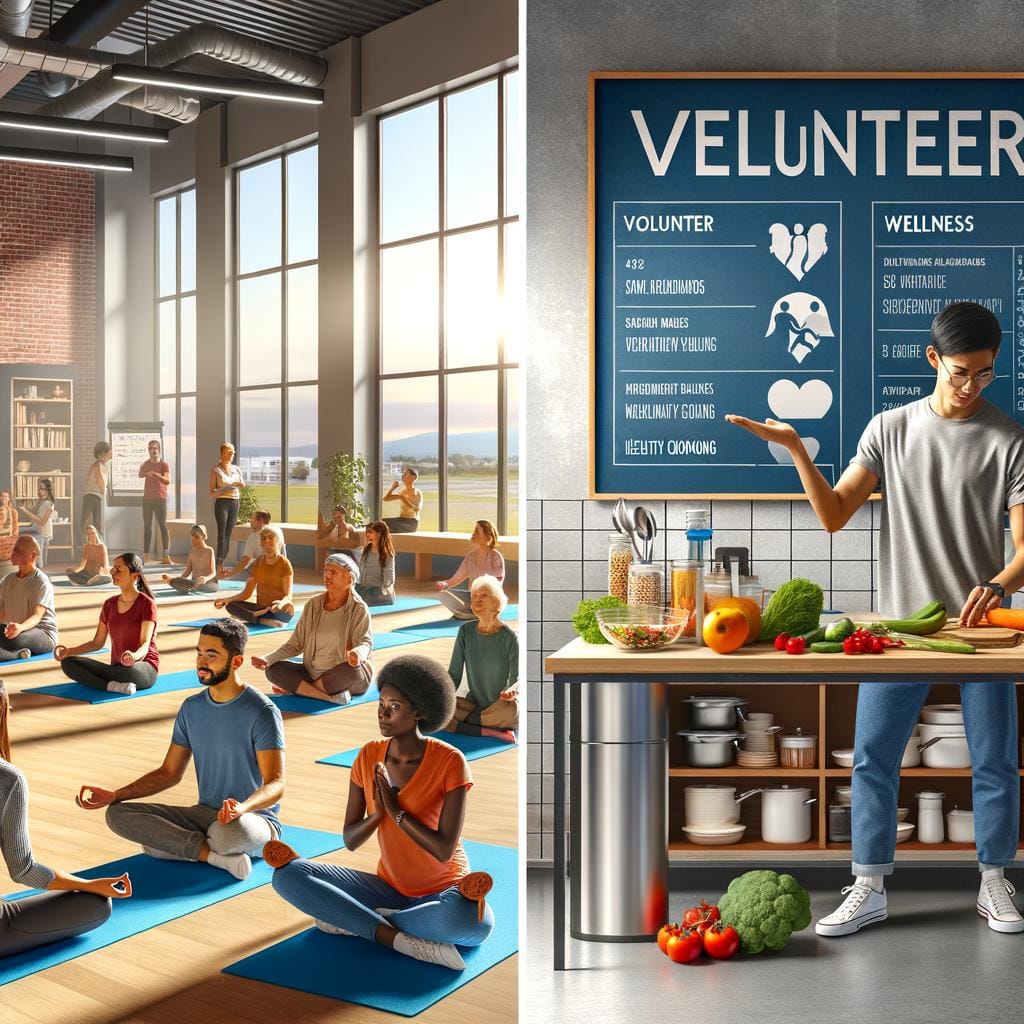
- Community Health Education: Volunteers in these programs educate communities on topics such as nutrition, hygiene, disease prevention, and overall wellness.
- Telemedicine Volunteer Opportunities: With the rise of telehealth services, volunteers can provide virtual support and consultations to patients who may not have access to traditional healthcare facilities.
Participating in health volunteer programs can also offer valuable hands-on experience for those considering a career in healthcare. Additionally, these programs can help volunteers develop essential skills such as communication, empathy, and cultural competency. By engaging with diverse communities and healthcare professionals, volunteers can gain a broader perspective on global health issues and solutions.
How to Find and Apply for Health Volunteer Opportunities
Finding and applying for health volunteer opportunities can be a rewarding experience that allows individuals to make a meaningful impact on communities in need. There are several avenues through which interested individuals can explore and get involved in health volunteer programs.
Researching Online Platforms
One of the most common ways to find health volunteer opportunities is by utilizing online platforms dedicated to connecting volunteers with organizations in need. Websites such as VolunteerMatch, Idealist, and Global Volunteers are great resources for finding a wide range of health-related volunteering opportunities both locally and internationally.
Contacting Local Nonprofit Organizations
Another way to find health volunteer programs is by directly contacting local nonprofit organizations that work in the healthcare sector. Many hospitals, clinics, and community health centers rely on volunteers to support their operations and outreach efforts. By reaching out to these organizations, individuals can inquire about volunteer opportunities available and how they can get involved.
Networking With Health Professionals
Networking with health professionals in your community or through professional organizations can also be a valuable way to learn about health volunteer programs. Healthcare providers often collaborate with volunteers on medical missions, public health initiatives, and other community-based projects. By networking with these professionals, individuals can gain insight into potential volunteering opportunities and how to apply for them effectively.
By exploring these different avenues, individuals interested in participating in health volunteer programs can find the right opportunity that aligns with their skills, interests, and availability. Regardless of the method chosen, the impact of volunteering in healthcare cannot be understated in terms of improving access to care and addressing critical public health issues around the world.
Skills and Qualities Needed to Be a Successful Health Volunteer
Becoming a successful health volunteer requires a unique set of skills and qualities to effectively contribute to the well-being of communities in need. Here are some essential traits that individuals should possess when engaging in health volunteer programs:
- Compassion: One of the most important qualities for a health volunteer is compassion. Being able to empathize with the struggles and challenges faced by those in underserved communities can help volunteers provide care with kindness and understanding.
- Communication Skills: Effective communication is crucial when working in health volunteer programs. Volunteers must be able to clearly convey information to patients, colleagues, and community members to ensure proper care and understanding of health issues.
- Adaptability: Health volunteers often work in resource-limited settings where conditions may vary from what they are accustomed to. Being adaptable and flexible in different situations is key to successfully navigating challenges and providing quality care.
In addition to these qualities, specific skills are also necessary for health volunteers to make a positive impact on the communities they serve:
- Medical Skills: Depending on the program, volunteers may need basic medical knowledge or specialized skills relevant to the healthcare services being provided. This could include administering first aid, conducting screenings, or assisting healthcare professionals.
- Cultural Competency: Understanding and respecting the cultural norms, beliefs, and practices of the community is essential for effective communication and building trust with local residents. Cultural competency helps volunteers provide culturally sensitive care that meets the unique needs of diverse populations.
- Teamwork: Health volunteer programs often involve collaborating with other volunteers, local healthcare providers, and community members. Teamwork skills are vital for coordinating efforts, sharing responsibilities, and working together towards common goals in improving public health outcomes.
By possessing these skills and qualities, individuals can enhance their contributions as health volunteers and positively impact the lives of those who benefit from these valuable programs.
Impact of Health Volunteer Programs on Communities
Health volunteer programs play a significant role in improving the overall health and well-being of communities around the world. These programs have a direct impact on underserved populations by providing much-needed healthcare services, education, and support. By volunteering in health programs, individuals can contribute to reducing health disparities, promoting healthy behaviors, and increasing access to quality healthcare for those in need.
One of the key impacts of health volunteer programs on communities is the enhancement of healthcare infrastructure and capacity. Volunteers often work alongside local healthcare professionals to provide medical care, assist with public health initiatives, and implement educational programs. This collaborative approach not only strengthens the local healthcare system but also helps build sustainable solutions for long-term health outcomes.
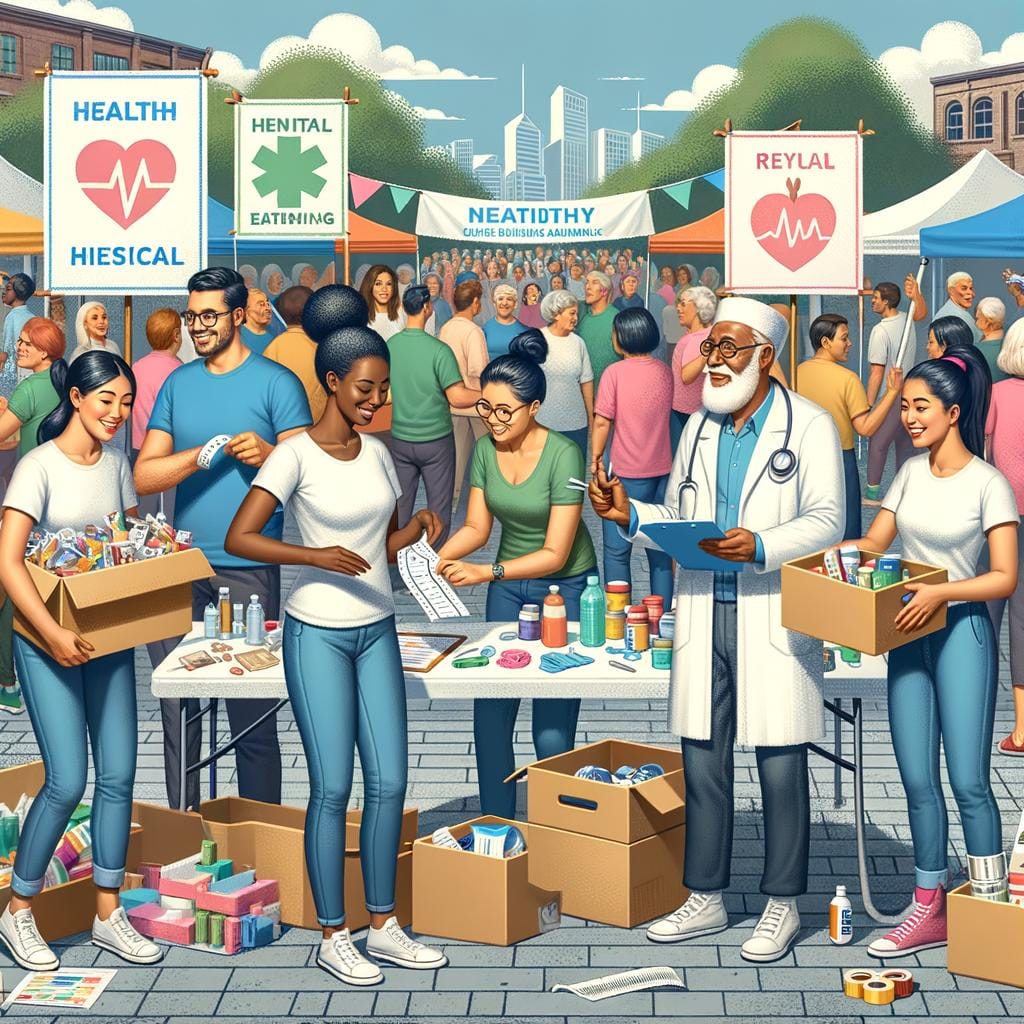
Additionally, health volunteer programs help raise awareness about important health issues within communities. Through outreach events, workshops, and informational sessions, volunteers are able to educate community members about preventive measures, disease management, and available resources. By empowering individuals with knowledge and skills to take control of their own health, these programs can lead to positive behavior changes and ultimately improve the overall well-being of communities.
Personal Experiences of Health Volunteers
Volunteering in health volunteer programs can be a life-changing experience for both the volunteers and the communities they serve. Personal experiences of health volunteers often reflect the profound impact they have on individuals and communities.
One key aspect that volunteers tend to highlight is the sense of fulfillment and purpose that comes from making a difference in the lives of others. Whether it’s providing medical care, promoting health education, or simply offering companionship and support, health volunteers play a vital role in improving the well-being of those in need.
For many health volunteers, their experiences go beyond just providing aid – it’s also about cultural exchange and building relationships with diverse communities. By immersing themselves in local cultures and traditions, volunteers gain a deeper understanding of global healthcare challenges and develop empathy towards different perspectives. These cross-cultural interactions not only enrich the volunteer’s personal growth but also foster mutual respect and cooperation between communities and healthcare providers.
Moreover, personal experiences of health volunteers often highlight the importance of teamwork, adaptability, and resilience when facing challenging situations. Volunteers learn to think on their feet, collaborate with local healthcare professionals, and overcome obstacles to deliver effective care. These skills acquired through volunteer work are not only beneficial for humanitarian efforts but also enhance personal and professional development. Overall, personal stories from health volunteers demonstrate the transformative power of giving back through service in health volunteer programs.
| Aspect | Details |
|---|---|
| Fulfillment | The fulfilling sense of purpose from making a difference in others’ lives. |
| Cultural Exchange | Gaining insights into different cultures leading to personal growth. |
| Skills Development | Learning teamwork, adaptability, and resilience which enhances personal development. |
Tips for a Successful Health Volunteer Experience
When embarking on a health volunteer program, there are several tips that can help ensure a successful and rewarding experience. Firstly, it is essential to do thorough research on the organization or program you are considering volunteering with. Make sure they have a good reputation, clear goals, and adequate support for volunteers. It is also important to understand the specific requirements and expectations of the program before committing.
Another key tip is to be open-minded and flexible during your volunteer experience. Health volunteer programs often involve working in diverse communities with varying challenges and cultural differences. Being adaptable and willing to learn from new experiences will not only benefit the community you are serving but also enhance your own personal growth.
Additionally, maintaining good communication with both the program coordinators and fellow volunteers is crucial for a successful health volunteer experience. Regular communication can help address any issues or concerns that may arise, as well as foster a sense of teamwork and collaboration within the group. By staying connected and engaged throughout your time as a health volunteer, you can contribute effectively to the program’s objectives and make a positive impact on the community you are serving.
Conclusion
In conclusion, health volunteer programs play a crucial role in improving healthcare globally. By offering their time and skills to communities in need, volunteers not only make a positive impact on individuals’ lives but also contribute to the overall well-being of societies. The benefits of volunteering in health programs are numerous, from gaining valuable experience and skills to fostering personal growth and making meaningful connections with others.
Furthermore, the various types of health volunteer programs available cater to a wide range of interests and expertise, making it accessible for individuals from diverse backgrounds to contribute to this noble cause. Whether you are interested in medical missions abroad, local community health initiatives, or virtual volunteering opportunities, there is a program suited for everyone willing to make a difference in healthcare.
It is essential for individuals to support and participate in health volunteer programs as they provide vital assistance where resources may be limited. By promoting access to healthcare services, raising awareness about public health issues, and empowering communities to take charge of their well-being, these programs create sustainable impacts that extend beyond the duration of volunteer work.
As we strive for better healthcare outcomes worldwide, let us continue to champion the efforts of health volunteers who selflessly dedicate their time and energy towards building healthier communities.
Frequently Asked Questions
What Is the Best Volunteer Work for Medical School?
The best volunteer work for medical school would be in settings where you can directly interact with patients and healthcare professionals. Opportunities such as volunteering at a hospital, clinic, or nursing home can provide valuable experience and insight into the healthcare field.
Where Are Volunteers Most Needed?
Volunteers are most needed in underserved communities where access to healthcare may be limited. This includes rural areas, inner cities, and developing countries. These locations often have a high demand for volunteers to help provide much-needed medical services to those who may not otherwise have access.
Can You Volunteer at Your Local Hospital?
Many local hospitals offer volunteer programs that allow individuals to contribute their time and skills to support patients and staff. Responsibilities may vary from administrative tasks to patient interaction, depending on the hospital’s needs. Volunteering at your local hospital can be a rewarding way to give back to your community while gaining valuable experience in a medical setting.

Founder and Chief Editor: With a decade of experience in the travel industry and a lifetime passion for holistic health, Debra ensures that every piece of content on Wellness Travel Hub reflects our mission and values.