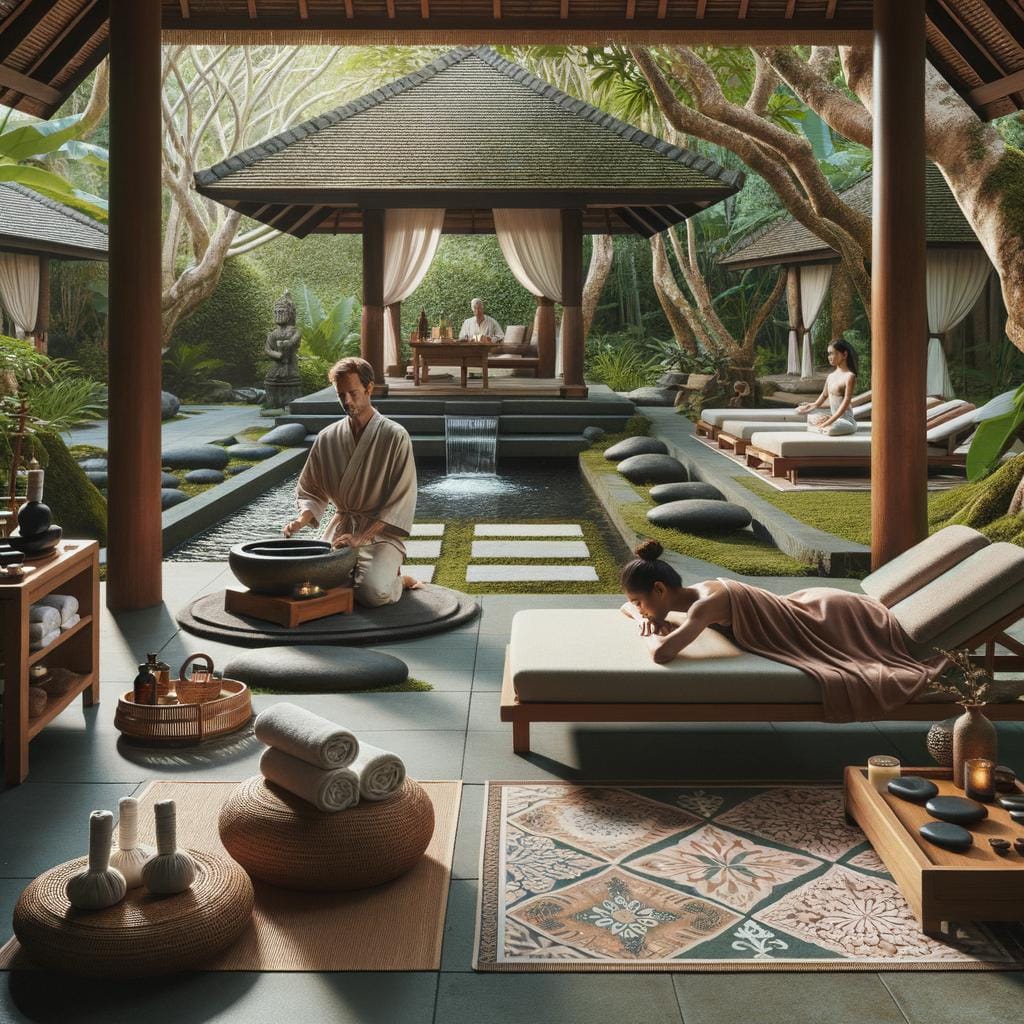

Anxiety is a common mental health issue that affects millions of people worldwide, leading to feelings of worry, fear, and stress. For those seeking relief from the challenges of anxiety, attending an anxiety retreat can provide a supportive environment where individuals can learn coping strategies and tools to manage their symptoms effectively. These retreats offer a holistic approach to addressing anxiety, focusing on various aspects of well-being such as mental, emotional, and physical health.
Understanding the different types of anxiety disorders and recognizing their symptoms is crucial in learning how to navigate through them. Whether it’s generalized anxiety disorder, panic disorder, social anxiety, or phobias, each type presents its own set of challenges. By exploring the nuances of these conditions at an anxiety retreat, individuals can gain a deeper understanding of their struggles and find ways to address them proactively.
Attending an anxiety retreat not only provides opportunities for self-reflection and growth but also enables participants to connect with others who are going through similar experiences. The sense of community and support fostered at these retreats can be instrumental in alleviating feelings of isolation and building resilience against anxiety triggers. With professional guidance from therapists and counselors, individuals can learn effective coping mechanisms tailored to their unique needs and circumstances.
Benefits of Attending an Anxiety Retreat
Attending an anxiety retreat can offer individuals struggling with anxiety a supportive environment to aid in managing their condition. These retreats provide a unique space for individuals to focus on their mental well-being, away from the stressors of daily life. In this section, we will explore the various benefits that come from participating in an anxiety retreat and how being in a supportive environment can make a difference in managing anxiety.
Peer Support and Understanding
One of the key advantages of attending an anxiety retreat is the opportunity to connect with others who are experiencing similar challenges. Being surrounded by individuals who understand what you are going through can provide a sense of validation and comfort. It allows participants to share their experiences, offer support, and learn from each other’s coping strategies. This sense of peer support can be incredibly empowering and help individuals feel less alone in their journey towards managing anxiety.
Structured Programs and Guidance
Anxiety retreats often offer structured programs designed to help participants develop coping skills, mindfulness techniques, and relaxation practices. These programs are led by experienced professionals who provide guidance and support throughout the retreat. By following these structured programs, individuals have the opportunity to learn new strategies for managing anxiety, gain insights into their thought patterns, and practice self-care techniques in a safe and nurturing environment.
Break From Routine and Stressors
Taking time away from the demands of everyday life can be beneficial for those struggling with anxiety. Anxiety retreats provide a break from routine stressors such as work deadlines, family responsibilities, or social pressures.
This break allows individuals to focus solely on their mental well-being without distractions, leading to increased self-awareness, introspection, and opportunities for personal growth. By stepping out of their usual environment and into a supportive retreat setting, participants can find a renewed sense of clarity and perspective on how to manage their anxiety effectively even after they return home.
Choosing the Right Anxiety Retreat
When looking to attend an anxiety retreat, it is crucial to consider various factors to ensure that you choose the best retreat that suits your needs. With the increasing popularity of anxiety retreats as a form of mental health support, it is important to be mindful of certain aspects when making your selection. Here are some key factors to consider:
- Location: Determine whether you prefer a retreat in a serene natural setting, a beachside location, or a more urban environment. The surroundings can significantly impact your overall experience and level of relaxation.
- Program Focus: Different anxiety retreats may have varying focuses such as mindfulness-based practices, cognitive-behavioral therapy, art therapy, or holistic healing. Choose a program that aligns with your preferences and goals for managing anxiety.
- Duration and Schedule: Consider the length of the retreat and whether it fits into your schedule. Some retreats are weekend getaways while others may span over multiple weeks. Ensure that the timing works for you.
Moreover, when selecting an anxiety retreat, it is essential to look into the qualifications and expertise of the facilitators and therapists involved in leading the programs. The professionalism and experience of these individuals can greatly impact the quality of support and guidance you receive during your time at the retreat.
Remember that each individual’s needs and preferences are unique, so take the time to research and explore different options before committing to an anxiety retreat. It is vital to choose a retreat where you feel comfortable, supported, and empowered to work towards managing your anxiety effectively. Prioritize finding a safe space where you can engage in healing practices tailored to your well-being.
The Role of Therapy and Counseling in Anxiety Retreats
Attending an anxiety retreat can be a transformative experience for individuals struggling with anxiety disorders. One of the key components that sets anxiety retreats apart from other forms of treatment is the focus on therapy and counseling. Professional guidance plays a crucial role in helping attendees navigate their anxiety triggers, develop coping strategies, and work towards long-lasting mental wellness.
Here are some ways in which therapy and counseling at anxiety retreats can make a difference:
- Individualized Treatment Plans: One of the benefits of therapy at anxiety retreats is the opportunity to receive individualized treatment plans tailored to each participant’s specific needs. Therapists and counselors work closely with attendees to identify their unique triggers, address underlying causes of their anxiety, and create personalized strategies for managing symptoms.
- Group Therapy Sessions: In addition to individual therapy, group therapy sessions are often a core component of anxiety retreats. These sessions provide participants with a supportive environment where they can share their experiences, gain insights from others facing similar challenges, and feel less isolated in their struggles.
- Skill-Building Workshops: Therapy and counseling at anxiety retreats often include skill-building workshops focused on teaching practical tools for managing anxiety. Participants may learn techniques such as cognitive-behavioral therapy (CBT), mindfulness practices, stress-reduction strategies, and communication skills that they can apply beyond the retreat setting.
With the support and guidance of qualified therapists and counselors, attendees at anxiety retreats can gain valuable insights into their condition, build resilience against anxiety triggers, and take important steps towards improving their mental well-being. The expertise provided by these professionals creates a safe space for individuals to explore their emotions, develop healthy coping mechanisms, and ultimately find relief from the burden of anxiety.
Mindfulness and Meditation Practices at Anxiety Retreats
Meditation and mindfulness practices play a crucial role in anxiety retreats, offering participants valuable tools to calm the mind and reduce stress levels. These techniques focus on cultivating present-moment awareness, allowing individuals to observe their thoughts and feelings without judgment. By practicing mindfulness, individuals can develop a sense of inner peace and learn to manage their anxiety more effectively.
One common meditation practice used at anxiety retreats is focused breathing, where individuals pay attention to their breath as a way to anchor themselves in the present moment. This simple yet powerful technique can help calm racing thoughts and promote a state of relaxation. Guided meditations are also often incorporated into retreat programs, providing participants with structured sessions led by experienced instructors to help them deepen their practice.
In addition to meditation, yoga sessions are frequently included in anxiety retreats as a means of promoting mindfulness and reducing stress. Yoga combines physical postures, breathwork, and meditation to enhance overall well-being.
The combination of movement with mindfulness practices can be particularly beneficial for anxiety management, as it helps individuals connect with their bodies and release tension. By incorporating these holistic approaches into anxiety retreats, participants can cultivate a sense of balance and learn valuable techniques for coping with anxiety in their daily lives.
| Mindfulness Techniques at Anxiety Retreats | Benefits |
|---|---|
| Focused Breathing | Calms racing thoughts and promotes relaxation |
| Guided Meditations | Provides structured sessions for deepening mindfulness practice |
| Yoga Sessions | Combines movement with mindfulness practices for stress reduction |
Physical Activities and Relaxation Techniques
Engaging in physical activities and incorporating relaxation techniques are essential components of managing anxiety. When it comes to anxiety retreats, these practices play a vital role in helping individuals cope with their symptoms and improve their overall well-being. Physical movement, such as yoga, hiking, or even simple stretching exercises, can help reduce tension in the body and release endorphins that promote feelings of happiness and relaxation.
At anxiety retreats, participants have the opportunity to explore various physical activities that can aid in alleviating anxiety symptoms. From guided nature walks to structured fitness classes, individuals can discover forms of exercise that resonate with them and can be incorporated into their daily routines post-retreat. In addition to physical activities, relaxation techniques such as deep breathing exercises, progressive muscle relaxation, or mindfulness meditation can help calm the mind and reduce stress levels.
Studies have shown that consistent engagement in physical activity not only benefits physical health but also significantly improves mental health outcomes. By incorporating regular exercise and relaxation practices into their lifestyle, individuals who struggle with anxiety can experience a reduction in symptoms, increased emotional resilience, and an overall sense of well-being. Anxiety retreats provide a nurturing environment for participants to learn these techniques from professionals and peers while building a foundation for long-term mental wellness.
| Anxiety Retreat Activities | Benefits |
|---|---|
| Yoga Classes | Reduce tension, promotes relaxation |
| Nature Walks | Connection to nature, stress reduction |
| Mindfulness Meditation | Calms the mind, increases awareness |
Planning for Life After the Retreat
Attending an anxiety retreat can be a transformative experience, providing individuals with the tools, support, and guidance needed to manage their anxiety effectively. However, the real challenge lies in maintaining mental wellness and applying the strategies learned at the retreat in everyday life. It is essential to have a plan in place for life after the retreat to ensure continued progress and growth.
One crucial tip for maintaining mental wellness post-retreat is to establish a routine that incorporates mindfulness practices, physical activities, and relaxation techniques into your daily life. By creating a schedule that includes time for meditation, yoga, or other calming activities, you can continue to prioritize your mental health even after leaving the supportive environment of the retreat.
Consistency is key when it comes to managing anxiety, so making these practices a regular part of your routine can significantly impact your overall well-being.
Additionally, staying connected with the community you built at the anxiety retreat can provide ongoing support and accountability as you navigate life after the program. Whether through online forums, alumni gatherings, or individual check-ins with fellow retreat participants, having a network of people who understand and empathize with your struggles can be invaluable.
Remember that seeking help and guidance is not a sign of weakness but rather a necessary step towards maintaining your mental wellness journey. By implementing these tips and staying committed to your self-care routines, you can continue to thrive long after completing an anxiety retreat.
Frequently Asked Questions
Is There Such a Thing as an Anxiety Retreat?
Yes, there are anxiety retreats available for individuals looking to manage and overcome their anxiety. These retreats provide a supportive environment where participants can learn coping strategies, relaxation techniques, and mindfulness practices to help reduce anxiety levels.
What Is the 3-3-3 Rule for Anxiety?
The 3-3-3 rule for anxiety involves acknowledging three things you see, hear, and feel during an anxious episode. By focusing on these sensory experiences for three minutes, it can help ground you in the present moment and alleviate some of the overwhelming feelings associated with anxiety.
How to Deal With Severe Anxiety?
Dealing with severe anxiety often requires a combination of professional help and self-care strategies. Seeking therapy, whether cognitive-behavioral therapy or medication management, can be crucial in managing severe anxiety.
Additionally, incorporating stress-reducing activities like regular exercise, mindfulness meditation, deep breathing exercises, and maintaining a healthy lifestyle can also help in coping with severe anxiety. It’s important to remember that recovery takes time and patience but seeking support is key in navigating through severe anxiety.

Founder and Chief Editor: With a decade of experience in the travel industry and a lifetime passion for holistic health, Debra ensures that every piece of content on Wellness Travel Hub reflects our mission and values.