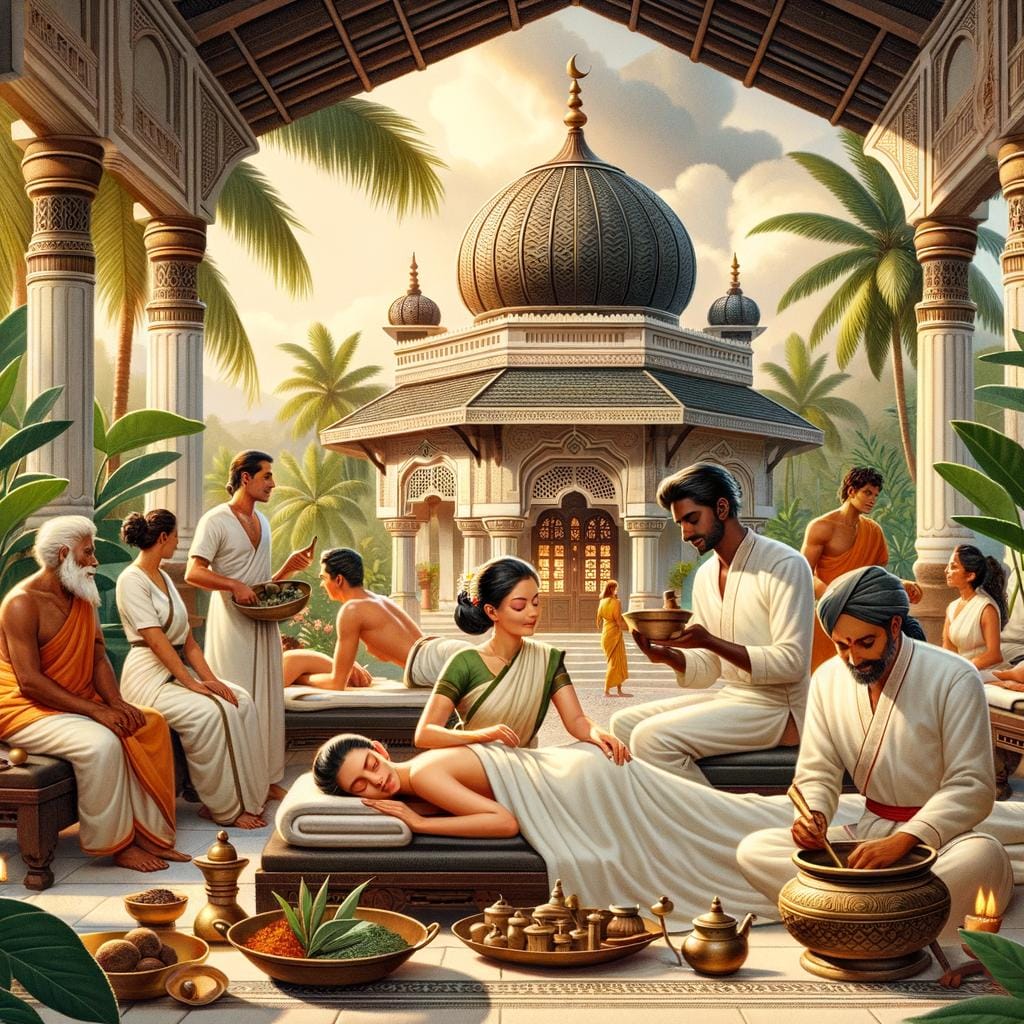

Ayurveda, a traditional Indian system of medicine, has been practiced for centuries and continues to offer holistic healing solutions for modern-day ailments. In recent years, traditional Ayurveda retreats have gained popularity as individuals seek a deeper understanding of this ancient healing system. These retreats provide a unique opportunity to immerse oneself in the teachings and practices of Ayurveda while rejuvenating the mind, body, and spirit.
Originating from the Sanskrit words “Ayur” (life) and “Veda” (knowledge), Ayurveda is based on the belief that the mind and body are intricately connected, with imbalances leading to illness. By addressing these imbalances through personalized treatments and lifestyle recommendations, Ayurveda aims to restore harmony and promote overall well-being. Understanding the history and philosophy behind Ayurveda is crucial in appreciating its holistic approach to health.
Traditional Ayurveda retreats offer participants a chance to explore their unique mind-body constitution known as doshas. By determining one’s dominant dosha – Vata, Pitta, or Kapha – individuals can tailor their lifestyle choices and treatments according to their specific needs. From rejuvenating massages like Abhyanga to balancing therapies like Shirodhara, Ayurvedic treatments at these retreats aim to bring about deep healing on all levels.
The Origins of Ayurveda
Ayurveda, often referred to as the “science of life,” is an ancient healing system that originated in India over 5,000 years ago. The word “Ayurveda” is derived from Sanskrit, with “Ayur” meaning life and “Veda” meaning knowledge. This holistic approach to health focuses on the balance between mind, body, and spirit to promote overall well-being. Ayurveda encompasses a wide range of practices, including herbal medicine, diet, meditation, yoga, and detoxification techniques.
The philosophy of Ayurveda is based on the concept of three doshas: Vata (air and space), Pitta (fire and water), and Kapha (earth and water). According to Ayurvedic principles, each individual has a unique combination of these doshas that determine their physical, mental, and emotional characteristics.
Understanding one’s dominant dosha is crucial in Ayurveda for maintaining health and preventing illness. By identifying imbalances in the doshas through various diagnostic methods like pulse reading or tongue examination, Ayurvedic practitioners can tailor treatment plans to restore harmony within the body.
Traditional Ayurveda retreats offer a deep dive into the history and philosophy of this ancient healing system. Participants not only receive personalized treatments based on their dosha but also learn about the roots of Ayurveda from experienced practitioners.
These retreats provide a serene environment where guests can immerse themselves in traditional therapies like Abhyanga (oil massage) or Shirodhara (oil pouring therapy) while gaining insights into the profound wisdom behind Ayurvedic practices. By exploring the origins of Ayurveda at a retreat center in India or other authentic locations, individuals can embark on a transformative journey towards holistic wellness.
| Key Points | Details |
|---|---|
| Ayurvedic Doshas | Vata, Pitta, Kapha – determining factors in Ayurvedic diagnosis |
| Ancient Wisdom | Over 5,000 years old healing system originating in India |
| Customized Treatments | Personalized therapies based on individual dosha constitution |
Benefits of Traditional Ayurveda Retreats
Ayurveda retreats offer a unique opportunity for individuals to embark on a journey of holistic healing for the mind, body, and spirit. These retreats provide a traditional approach to wellness that focuses on restoring balance and harmony within the individual. Through various Ayurvedic treatments, practices, and teachings, participants can experience profound transformations in their overall well-being. Here are some key benefits of attending traditional Ayurveda retreats:
- Physical Healing: Ayurveda retreats typically offer a range of therapeutic treatments that are designed to detoxify the body, boost immunity, and promote physical rejuvenation. From herbal massages like Abhyanga to cleansing therapies like Panchakarma, these treatments help in eliminating toxins from the body and improving overall health.
- Mental Clarity: In addition to physical healing, Ayurveda retreats also focus on mental well-being by incorporating practices such as meditation, yoga, and pranayama (breathwork). These practices help in calming the mind, reducing stress, and improving focus and mental clarity.
- Spiritual Connection: Traditional Ayurveda retreats often emphasize the connection between the mind, body, and spirit. Through ancient rituals, chanting, and mindfulness practices, participants can deepen their spiritual awareness and cultivate a sense of inner peace and harmony.
Overall, traditional Ayurveda retreats provide a comprehensive approach to wellness that addresses not just the symptoms but also the root cause of imbalances within the individual. By immersing oneself in this ancient healing system, participants can experience deep transformations that go beyond just physical health – they can achieve balance on all levels of being. If you are looking to heal holistically and reconnect with your true self, attending a traditional Ayurveda retreat may be the perfect choice for you.
Understanding Doshas
Ayurveda, an ancient holistic healing system originating in India, places a strong emphasis on the balance between mind, body, and spirit. Central to Ayurvedic philosophy is the concept of doshas – the three energies or principles that govern our physical and mental well-being. Understanding your unique dosha composition is essential in Ayurveda as it helps tailor treatments and lifestyle recommendations for optimal health. Here is a brief overview of the three doshas:
- Vata: Vata is associated with qualities such as cold, dry, light, and erratic. Individuals dominant in Vata tend to be creative, energetic, but also prone to anxiety and digestive issues.
- Pitta: Pitta embodies qualities like hot, sharp, intense, and focused. Those with a predominant Pitta dosha are typically ambitious, organized, but may struggle with anger and inflammation.
- Kapha: Kapha represents characteristics like heavy, slow, steady, and nurturing. People with a dominant Kapha dosha are often compassionate, patient individuals; however, they can also experience weight gain and lethargy.
Identifying your primary dosha can help you understand your physical and emotional tendencies better. Through this awareness, you can make informed choices regarding your diet, exercise routine, daily habits, and even career path to promote harmony within yourself. Traditional Ayurveda retreats often include consultations with Ayurvedic practitioners who assess your doshic balance through pulse diagnosis and detailed questioning.
When embarking on a traditional Ayurveda retreat to discover more about your Ayurvedic body type and overall well-being journey participants learn valuable tools that empower them to take control of their health holistically. By incorporating personalized Ayurvedic practices based on their individual dosha compositions into their daily routines post-retreat they continue on the path towards achieving optimal wellness.
- Embrace Your Dosha: Understand how your unique constitution influences every aspect of your life.
- Personalize Your Lifestyle: Modify your diet choices, exercise regimen & daily routines according to your predominant dosha.
- Seek Guidance: Consult with an experienced Ayurvedic practitioner regularly for tailored advice & support.
Exploring the world of Traditional Ayurveda retreats provides you with invaluable tools necessary to thrive physically and emotionally while deepening your connection with yourself in harmony with nature’s wisdom.
Typical Treatments at Ayurveda Retreats
Ayurveda retreats offer a variety of traditional treatments that have been practiced for centuries to promote healing and overall well-being. From massages to detoxification therapies, these treatments are designed to balance the mind, body, and spirit. One of the most popular treatments offered at Ayurveda retreats is Abhyanga, which is a full-body massage using warm herbal oils. This therapeutic massage not only relaxes the muscles but also helps in detoxifying the body and improving circulation.
Abhyanga: The Ayurvedic Oil Massage
During an Abhyanga treatment, therapists use specific herbal oils based on your dosha type to nourish the skin, enhance relaxation, and promote overall wellness. The rhythmic motions of the massage help release physical tension while balancing the energy flow within the body. This traditional Ayurvedic treatment is not only rejuvenating but also aids in removing toxins from the body, leaving you feeling refreshed and revitalized.
Shirodhara: The Soothing Oil Therapy
Another common treatment offered at Ayurveda retreats is Shirodhara, a deeply relaxing therapy that involves pouring a continuous stream of warm herbal oil onto the forehead (third eye). This gentle and effective treatment helps calm the nervous system, relieve stress, anxiety, and insomnia.
Shirodhara promotes mental clarity and enhances overall well-being by balancing the subtle energies within the body. Combined with meditation or yoga practices, Shirodhara can provide profound relaxation and rejuvenation for both the mind and body during traditional ayurveda retreats.
Top Destinations for Ayurveda Retreats
India is renowned worldwide as the birthplace of Ayurveda, making it a top destination for traditional Ayurveda retreats. In this diverse and culturally rich country, individuals seeking holistic healing have the opportunity to immerse themselves in centuries-old practices that promote wellness of the mind, body, and spirit. From lush natural surroundings to experienced practitioners, India offers an authentic and transformative experience for those looking to explore the ancient wisdom of Ayurveda.
One of the most popular regions in India for Ayurveda retreats is Kerala, known as the “God’s Own Country.” This serene state in Southern India is famous for its tropical landscapes, tranquil backwaters, and traditional Ayurvedic treatments.
Visitors to Kerala can indulge in rejuvenating therapies such as Panchakarma detoxification, herbal massages, and meditation sessions under the guidance of skilled Ayurvedic doctors and therapists. The holistic approach to healing in Kerala allows guests to reconnect with themselves and find balance in a peaceful environment.
Another sought-after destination for traditional Ayurveda retreats in India is Rishikesh, a spiritual hub nestled in the foothills of the Himalayas. With its sacred Ganges River flowing through the town and numerous ashrams offering Ayurvedic treatments and yoga classes, Rishikesh provides a transformative experience for those seeking inner healing and self-discovery.
Visitors can participate in daily routines that include yoga practice, wholesome vegetarian meals based on Ayurvedic principles, and personalized treatments that cater to individual health needs. Rishikesh truly embodies the essence of traditional Ayurveda retreats with its focus on living in harmony with nature and embracing holistic well-being.
| Destination | Main Features |
|---|---|
| Kerala | Tropical landscapes, Panchakarma detoxification, herbal massages |
| Rishikesh | Sacred Ganges River, yoga practice, personalized treatments |
Choosing the Right Retreat for You
When choosing the right traditional Ayurveda retreat for you, there are several factors to consider to ensure that you have a fulfilling and transformative experience. With the growing popularity of Ayurveda retreats, it is crucial to do some research and reflection before making your decision. Here are some key aspects to keep in mind when selecting the perfect retreat for your needs:
Location and Setting
The location and setting of a traditional Ayurveda retreat can greatly impact your overall experience. Some retreats are nestled in serene natural surroundings such as mountains or forests, while others may be located near the beach or in bustling urban areas. Consider what type of environment resonates with you and where you feel most comfortable and at peace.
Duration and Intensity
Traditional Ayurveda retreats can range from a weekend getaway to several weeks of immersion in the practice. Think about your schedule, commitments, and how much time you can dedicate to the retreat. Additionally, consider the intensity of the program – some retreats offer a gentle introduction to Ayurveda while others may have a more rigorous schedule with strict guidelines and routines.
Accommodations and Amenities
Before booking a traditional Ayurveda retreat, take into account the accommodations and amenities provided during your stay. While some retreat centers offer basic shared rooms with minimal facilities, others provide luxurious private suites with spa treatments, yoga classes, meditation spaces, and organic meals. Decide what level of comfort and convenience you desire during your healing journey.
By carefully considering these factors – location and setting, duration and intensity, accommodations & amenities – you can choose the right traditional Ayurveda retreat that aligns with your needs, preferences, and goals for holistic well-being. Remember that each individual is unique, so trust your intuition when selecting a retreat that resonates with your mind, body, and spirit for an enriching experience.
Bringing Ayurveda Home
Incorporating Ayurvedic practices into your daily routine is a wonderful way to continue the healing and rejuvenation experienced at traditional Ayurveda retreats. By integrating these ancient principles into your daily life, you can maintain balance, promote wellness, and enhance overall well-being. Whether you attended a retreat for specific health concerns or simply to de-stress, carrying on Ayurvedic practices at home can help you sustain the benefits long after your retreat has ended.
One of the key aspects of bringing Ayurveda home is establishing a consistent routine. This includes incorporating practices such as self-massage (abhyanga), mindful eating based on your dosha type, and practicing breathing exercises or meditation to reduce stress. By setting aside time each day for these rituals, you can create a sense of grounding and connection with yourself that mirrors the peaceful environment of an Ayurveda retreat.
Another important aspect of bringing Ayurveda home is maintaining a balanced diet that supports your dosha type. In Ayurveda, food is considered medicine, and following dietary guidelines tailored to your unique constitution can help prevent illness and promote overall health.
Consulting with an Ayurvedic practitioner or nutritionist can help you create a meal plan that aligns with your individual needs and supports your body’s natural balance. By continuing to eat nourishing foods that resonate with your dosha type, you can extend the benefits of traditional Ayurveda retreats in your everyday life.
Conclusion
In conclusion, traditional Ayurveda retreats offer a holistic approach to healing that encompasses the mind, body, and spirit. By exploring the ancient healing system of Ayurveda, individuals can not only address physical ailments but also achieve balance and harmony in their overall well-being. The origins of Ayurveda provide a rich history and philosophy that guides these retreats in promoting health and wellness in a natural and sustainable way.
Participating in traditional Ayurveda retreats allows individuals to delve into the understanding of doshas and discover their unique Ayurvedic body type. Through personalized treatments such as Abhyanga (oil massage) and Shirodhara (head oil flow), guests can experience deep relaxation, rejuvenation, and restoration of energy levels. These therapies are designed to restore balance within the body, aligning it with its natural state of health.
When considering embarking on a journey to an Ayurveda retreat, it is essential to choose the right one that aligns with your needs and preferences. Factors such as the location, type of treatments offered, accommodations, and the expertise of practitioners should be taken into account before booking. By incorporating Ayurvedic practices learned during these retreats into your daily routine at home, you can continue reaping the benefits and wisdom of this ancient healing system for long-term well-being.
Frequently Asked Questions
What Is a Ayurvedic Retreat?
An Ayurvedic retreat is a wellness program that incorporates the principles of Ayurveda, an ancient holistic healing system from India. These retreats usually involve personalized treatments, yoga, meditation, healthy meals, and detoxification to promote balance and well-being.
Are Healing Retreats Worth It?
Healing retreats can be worth it for those seeking a holistic approach to wellness. They provide a dedicated space to focus on self-care, often in a tranquil environment away from daily stressors. The combination of therapies, healthy food, meditation, and relaxation can have profound physical and mental benefits.
What Is Panchkarma in Ayurveda?
Panchkarma is a detoxification and rejuvenation therapy in Ayurveda that involves five cleansing actions to remove toxins from the body. These five procedures include therapeutic vomiting, purgation, enemas, nasal administration of medicines, and bloodletting (often not as commonly used now). Panchkarma aims to restore balance in the body’s doshas (energies) and improve overall health.

Founder and Chief Editor: With a decade of experience in the travel industry and a lifetime passion for holistic health, Debra ensures that every piece of content on Wellness Travel Hub reflects our mission and values.