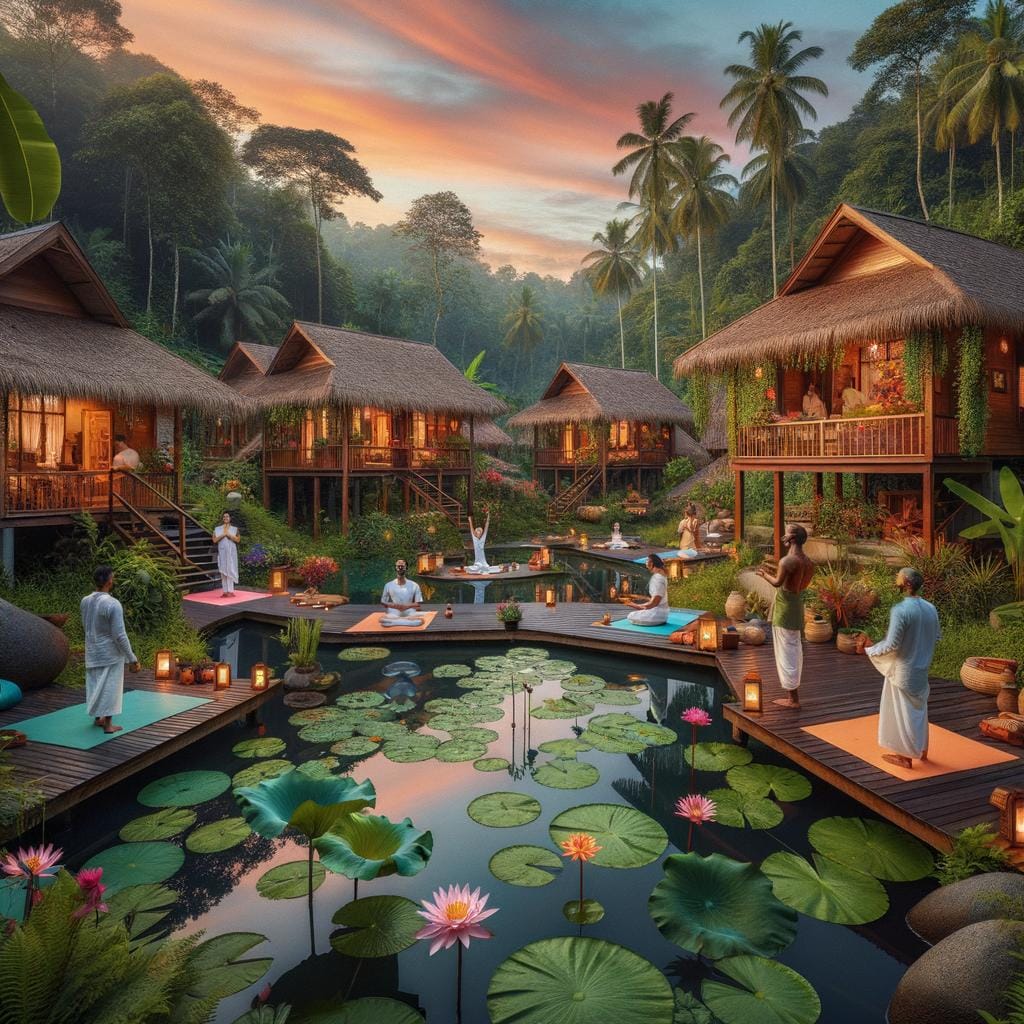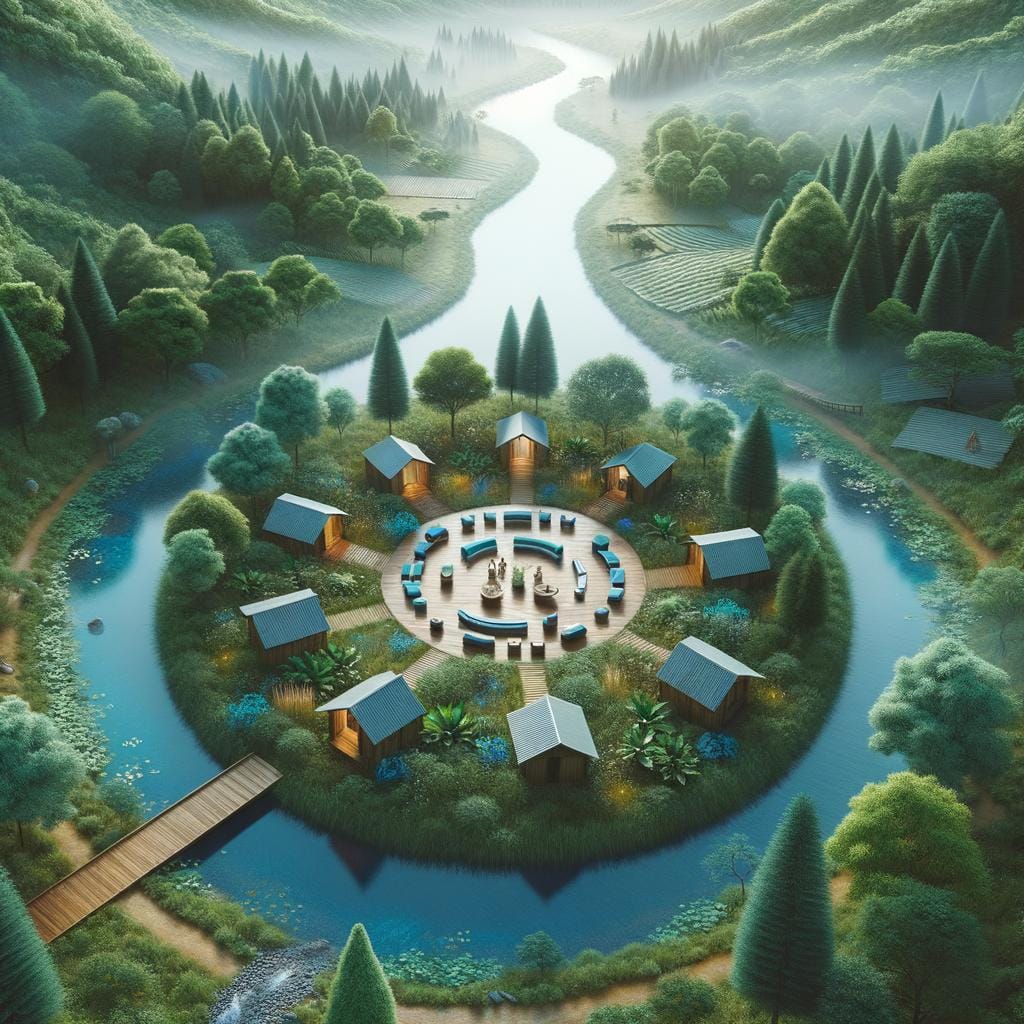

Shamanic healing retreats offer a unique and transformative approach to healing, combining ancient techniques with modern practices to provide a holistic experience for participants. These retreats focus on reconnecting individuals with nature, themselves, and the spiritual realm to promote healing on a physical, emotional, and spiritual level. By immersing oneself in these immersive experiences, participants can tap into the wisdom of shamanic traditions and embark on a journey of self-discovery and transformation.
Shamanic healing has been practiced for centuries by indigenous cultures around the world, drawing on the power of rituals, ceremonies, and connection to nature. The origins of shamanic healing date back to ancient times when healers served as intermediaries between humans and the spirit world to restore balance and harmony in individuals. Today, shamanic healing retreats continue this tradition by offering a safe space for individuals to explore their inner selves and receive guidance from experienced practitioners.
One of the key benefits of attending a shamanic healing retreat is the opportunity to disconnect from the distractions of daily life and focus on self-care and introspection. These retreats often take place in natural settings such as forests or mountains, allowing participants to immerse themselves in the healing energies of nature.
Through various activities like drumming circles, meditation sessions, plant medicine ceremonies, and energy work, attendees can address deep-seated issues, release emotional baggage, and gain clarity on their life path. In the following sections of this article, we will explore the history and origins of shamanic healing, as well as delve into the different techniques used in these transformative retreats.
History and Origins of Shamanic Healing
Shamanic healing has a rich history and origins that date back thousands of years. The practice of shamanism can be traced to indigenous cultures in various parts of the world, including Africa, Asia, Australia, and the Americas. Shamans were revered members of their communities who acted as intermediaries between the physical and spiritual realms. They were skilled healers who used a combination of spiritual guidance, energy work, and herbal remedies to help individuals achieve harmony and balance in their lives.
The origins of shamanic healing can be found in the belief that all beings are interconnected and that illness or distress is often caused by imbalances in one’s energy or connection to the spiritual world. Shamans work to restore this balance through rituals, ceremonies, and interactions with spirit guides. By tapping into the unseen forces of nature and the cosmos, shamans facilitate healing on a physical, emotional, mental, and spiritual level.
Today, shamanic healing retreats offer participants the opportunity to experience these ancient practices in a modern context. These retreats typically take place in natural settings where individuals can reconnect with nature and their inner selves.
Participants engage in various activities such as vision quests, sweat lodges, drum circles, and energy clearing sessions to support their healing journey. Shamanic practitioners guide participants through these experiences to help them release energetic blockages, gain clarity on their life path, and connect with their higher self.
- Shamanism originated in indigenous cultures worldwide
- Shamans act as intermediaries between physical and spiritual realms
- Belief that illness results from imbalances in energy or spiritual connection
The Benefits of Shamanic Healing Retreats
Shamanic healing retreats offer individuals a unique and transformative experience that goes beyond conventional forms of healing. These retreats provide a safe space for participants to delve into the spiritual realm, reconnect with nature, and explore the depths of their own consciousness. One of the key benefits of shamanic healing retreats is the opportunity to undergo profound personal growth and self-discovery in a supportive environment surrounded by like-minded individuals.
Participants often report experiencing a deep sense of inner peace, clarity, and rejuvenation after engaging in shamanic healing practices during these retreats. The ancient wisdom and techniques passed down through generations play a critical role in guiding individuals towards healing on physical, emotional, mental, and spiritual levels. By immersing oneself in the rituals and ceremonies facilitated by experienced shamans, attendees can release energetic blockages, gain insights into their life path, and experience profound shifts in consciousness.
Moreover, shamanic healing retreats provide a holistic approach to well-being by addressing the interconnectedness of mind, body, and spirit. Through various practices such as energy work, soul retrieval, drumming circles, guided meditations, and plant medicine ceremonies, participants can explore different aspects of themselves and gain a deeper understanding of their own inner workings. The integrative nature of shamanic healing allows individuals to heal on multiple levels simultaneously while fostering a greater sense of balance and harmony within themselves.
| Benefits | Description |
|---|---|
| Personal Growth | Experience profound personal growth and self-discovery. |
| Inner Peace | Report feeling deep sense of inner peace after engaging in shamanic healing practices. |
| Holistic Well-being | Address interconnectedness of mind, body, and spirit for overall well-being. |
Understanding the Shamanic Healing Process
Shamanic healing is a practice that taps into the spiritual realm to address physical, emotional, and mental ailments. The shamanic healing process involves the shaman, or practitioner, acting as a bridge between the physical world and the spiritual world to facilitate healing. This process often includes rituals, ceremonies, and connecting with spirit guides to bring about transformation and balance within an individual.
Central to the shamanic healing process is the belief in energy imbalances within a person’s body or spirit that can lead to illness or emotional distress. Shamans work to identify these imbalances and restore harmony by removing energetic blockages and negative influences. This can involve guiding individuals through deep introspection, releasing past traumas, and realigning their energy centers to promote overall well-being.
During shamanic healing retreats, participants may undergo various practices such as soul retrieval, energy clearing, and spiritual cleansing. These methods aim to address not just the symptoms of an issue but its root cause on a spiritual level. By understanding and experiencing the shamanic healing process firsthand in a retreat setting, individuals can gain profound insights into themselves and their connection to the universe.
| Shamanic Healing Process | Key Elements |
|---|---|
| Spiritual Realms Connection | Rituals, ceremonies, spirit guide communication |
| Energetic Imbalance Identification | Addressing energy blockages, negative influences |
| Root Cause Healing | Soul retrieval, energy clearing, spiritual cleansing |
Popular Shamanic Healing Techniques Used in Retreats
Shamanic healing retreats offer a range of techniques that draw upon ancient wisdom and spiritual practices to facilitate holistic healing. These techniques are rooted in the belief that physical, emotional, and spiritual well-being are interconnected, and work towards restoring balance and harmony within an individual. Among the popular shamanic healing techniques used in retreats are soul retrieval, energy cleansing, and plant medicine ceremonies.
One of the most common techniques employed in shamanic healing retreats is soul retrieval. This practice involves the shaman journeying into the spiritual realm to retrieve lost parts of an individual’s soul that may have fragmented due to past trauma or negative experiences. By bringing back these vital aspects of the self, a person can experience profound healing, inner integration, and rejuvenation on a deep level.
Another traditional shamanic technique utilized in retreat settings is energy cleansing. Shamanic healers often work with energy fields to remove blockages, stagnant energies, or unwanted attachments that may be impeding a person’s well-being.
Through rituals such as smudging with sacred herbs or conducting cleansing ceremonies, participants can release negative energies and create space for positive transformation to occur. Additionally, plant medicine ceremonies involving sacred plants like ayahuasca or peyote can also be part of shamanic healing retreats to facilitate spiritual growth and insight into one’s inner landscape.
Overall, the diverse array of shamanic healing techniques offered in retreat settings provides individuals with unique opportunities for self-discovery, personal growth, and deep healing on multiple levels. Each method holds its own therapeutic benefits and can help individuals reconnect with their true selves while tapping into timeless wisdom passed down through generations of indigenous healers.
By exploring these practices in a safe and supportive environment guided by experienced shamans, participants have the chance to embark on a transformative journey towards greater wholeness and well-being.
Choosing the Right Shamanic Healing Retreat for You
When it comes to choosing the right shamanic healing retreat for your needs, there are several factors to consider. From location and duration to the specific practices offered, finding the perfect retreat can make all the difference in your healing journey.
Location and Setting
The first thing to consider when choosing a shamanic healing retreat is the location and setting. Some retreats take place in nature, such as in the mountains or by a lake, while others may be held in a more traditional retreat center. Think about what type of environment aligns with your personal preferences and where you feel most connected to nature and spiritual energy.
Duration and Intensity
Another important factor to consider is the duration and intensity of the retreat. Some shamanic healing retreats last only a few days, while others can span over a week or more. Additionally, some retreats may involve intense practices like fasting or extended meditation sessions, so it’s essential to assess your own comfort level with these aspects before making a decision.
Practices Offered
Different shamanic healing retreats may focus on various practices and techniques, such as drumming circles, plant medicine ceremonies, guided meditations, sweat lodges, and energy work. Researching the specific practices offered at each retreat can help you determine which one resonates with you most deeply. It’s crucial to choose a retreat that aligns with your intentions for healing and transformation.
By considering these key factors – location and setting, duration and intensity, as well as practices offered – you can choose a shamanic healing retreat that best suits your individual needs and preferences. Remember that each person’s journey is unique, so trust your intuition when selecting the right retreat for you. The transformative experience of participating in shamanic healing retreats can guide you towards greater self-awareness, healing, and spiritual growth.
What to Expect During a Shamanic Healing Retreat
When embarking on a shamanic healing retreat, participants can expect a transformative and deeply spiritual experience. These retreats often take place in serene natural settings, away from the hustle and bustle of daily life. Expect to be surrounded by like-minded individuals who are also seeking healing and personal growth. The atmosphere is typically one of openness, trust, and respect for each individual’s journey.
Connection With Nature
One of the key elements of shamanic healing retreats is the connection with nature. Shamanism is rooted in the belief that everything in nature is imbued with spirit, and by connecting with the elements, participants can tap into their own inner wisdom and healing potential. Expect to spend time outdoors, whether it’s through guided nature walks, ceremonies under the stars, or meditative practices in natural surroundings.
Rituals and Ceremonies
Shamanic healing retreats often involve rituals and ceremonies that are designed to facilitate deep emotional release and spiritual connection. These may include traditional practices such as drumming circles, sweat lodge ceremonies, fire ceremonies, or vision quests. Participants should be prepared to engage in these rituals with an open heart and mind, allowing themselves to fully immerse in the experience.
Personal Growth and Self-Exploration
During a shamanic healing retreat, participants can expect to delve deep into their own psyche and emotions. Through guided meditations, journaling exercises, group discussions, and one-on-one sessions with experienced healers, individuals have the opportunity to explore unresolved issues, release past traumas, and connect with their true essence. Expect moments of both struggle and breakthrough as you navigate through your inner landscape towards greater self-awareness and personal growth.
Tips for Enhancing the Healing Experience
Embarking on a shamanic healing retreat can be a profound and transformative experience, allowing individuals to delve deep into their inner selves and connect with the spiritual realm. To enhance your healing journey during a shamanic healing retreat, consider the following tips:
1. Set Intentions: Before attending a shamanic healing retreat, take some time to reflect on what you hope to achieve or heal during your time there. Setting clear intentions can help guide the healing process and focus your energy towards specific goals.
2. Open-mindedness: Approach the experience with an open mind and heart. Shamanic healing often involves practices and beliefs that may be unfamiliar to you, so embracing a sense of curiosity and receptivity can allow for powerful transformations to occur.
3. Grounding Practices: During the retreat, engage in grounding practices such as spending time in nature, meditation, or gentle movement exercises. These practices can help you remain centered and connected to the present moment, facilitating a deeper connection with the healing energies around you.
4. Self-care: Honor your body, mind, and spirit by practicing self-care throughout the retreat. This may include getting plenty of rest, staying hydrated, nourishing yourself with healthy foods, and taking time for quiet reflection or journaling.
5. Integration: After the retreat ends, take time to integrate the experiences and insights gained during your healing journey. Reflect on any messages received or shifts in energy felt, and consider how you can incorporate this newfound wisdom into your daily life moving forward.
By incorporating these tips into your shamanic healing retreat experience, you can create a supportive environment for deep healing and transformation to take place. Remember that each individual’s journey is unique, so trust in the process and allow yourself to surrender to the healing energies present during this sacred time.
Conclusion
Shamanic healing retreats offer a powerful and transformative experience for those seeking a deeper connection with themselves and the world around them. These retreats provide a sacred space for individuals to explore their inner landscape, heal past wounds, and reconnect with their spiritual essence. By immersing oneself in the ancient practices of shamanism, participants can unlock profound healing and growth on all levels – physically, emotionally, mentally, and spiritually.
The journey through a shamanic healing retreat is an invitation to embrace personal transformation. Through ritual ceremonies, energy work, sacred medicine plants, and other traditional techniques, participants can release old patterns, beliefs, and traumas that no longer serve them. This process allows for a profound shift in consciousness and a rediscovery of one’s true essence. The guidance of experienced shamans and facilitators creates a safe container for deep inner work and soul retrieval.
As you consider embarking on a shamanic healing retreat, remember that each individual’s experience will be unique. It is essential to trust the process, surrender to the wisdom of the ancient traditions, and remain open to the gifts of healing that await you. By committing to your own growth and well-being, you can reap the full benefits of these powerful practices. May your journey through shamanic healing retreats bring you closer to wholeness, harmony, and spiritual fulfillment.
Frequently Asked Questions
What Does a Shamanic Healer Do?
A shamanic healer is someone who uses traditional healing practices to address the spiritual, emotional, and physical needs of individuals. They work with energy, spirit guides, and ancient wisdom to facilitate healing on all levels.
What Happens During a Shamanic Journey?
During a shamanic journey, the practitioner enters an altered state of consciousness to connect with the spirit world. This involves traveling to different realms or dimensions to seek guidance, wisdom, and healing from spiritual beings or ancestors.
What Religion Do Shamans Practice?
Shamans do not adhere to a specific organized religion but often integrate elements of animism, shamanism, or indigenous beliefs into their practices. They work with nature spirits, ancestral spirits, and other entities from the spirit realm in their healing work.

Founder and Chief Editor: With a decade of experience in the travel industry and a lifetime passion for holistic health, Debra ensures that every piece of content on Wellness Travel Hub reflects our mission and values.