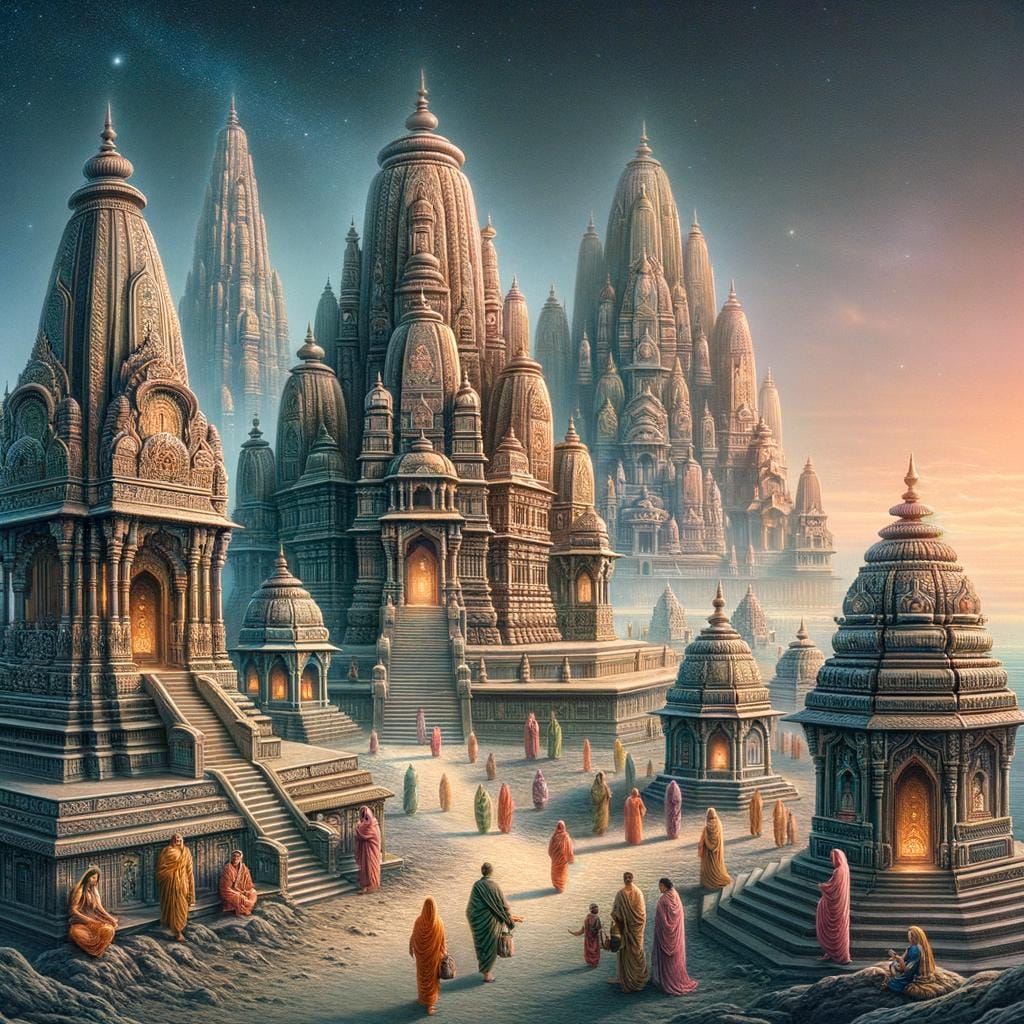

Spiritual pilgrimage temples hold a special place in the hearts of those seeking enlightenment, peace, and spiritual growth. These sacred sites are not just architectural marvels but also embody the essence of devotion and faith. They provide individuals with a space to connect with the divine, reflect on their beliefs, and embark on a journey of self-discovery.
Throughout history, spiritual pilgrimage temples have played a significant role in various cultures worldwide. Originating from ancient traditions, these temples have been revered for their spiritual significance and served as centers for religious practices and rituals. The diversity in design, symbolism, and customs associated with these temples highlight the rich tapestry of beliefs and practices across different civilizations.
From the iconic temples of Asia to the majestic structures in Europe, spiritual seekers have embarked on pilgrimages to seek solace, guidance, and inner peace. Each temple has its unique charm and history that adds to the overall experience of visitors. Exploring these sacred sites not only offers a glimpse into the past but also provides an opportunity for personal reflection and spiritual enlightenment.
History of Spiritual Pilgrimage Temples
Spiritual pilgrimage temples have a rich history that dates back centuries, rooted in various cultures and traditions around the world. These sacred sites hold immense significance for those seeking spiritual enlightenment, guidance, and connection with the divine. The concept of embarking on a journey to visit these temples is deeply ingrained in many religious practices and beliefs, symbolizing a profound quest for inner peace and personal transformation.
1. Ancient Egypt: The ancient Egyptians revered temples as sacred spaces where they could communicate with their gods and goddesses, seek blessings for the afterlife, and participate in rituals to ensure fertility, protection, and prosperity. Temples such as the Karnak Temple Complex in Luxor were built to honor deities like Amun-Ra, considered the king of the gods.
2. Hinduism: In Hindu culture, temples are seen as abodes of the divine where devotees can worship different manifestations of God or goddesses. The Angkor Wat in Cambodia is a prime example of a Hindu temple complex dedicated to Vishnu. The intricate carvings and architecture tell stories from Hindu mythology and serve as a place for meditation and spiritual reflection.
3. Buddhism: Buddhist temples play a central role in offering practitioners space for meditation, chanting, and studying scriptures. The Mahabodhi Temple in Bodh Gaya, India marks the spot where Siddhartha Gautama attained enlightenment under the Bodhi tree. Pilgrims from around the world visit this temple to pay homage to the Buddha’s teachings and seek spiritual awakening.
Throughout history, spiritual pilgrimage temples have provided solace, inspiration, and transcendence for countless individuals on their journey towards deeper spiritual understanding and enlightenment. These places not only showcase remarkable architectural feats but also serve as sanctuaries for contemplation, prayer, and self-discovery. Whether you’re exploring ancient ruins or marveling at modern designs, each temple offers a unique glimpse into cultural beliefs and practices that continue to shape our world today.
Top Spiritual Pilgrimage Temples Around the World
Embarking on a spiritual pilgrimage to temples around the world can be a life-changing experience for many seekers. From the serene temples nestled in the mountains of Asia to the grand architectural wonders in Europe, these sacred sites offer a unique opportunity for introspection, reflection, and spiritual growth. Each temple has its own history, significance, and energy that draws pilgrims from far and wide seeking solace, wisdom, and divine connection.
Asia: Land of Spiritual Enlightenment
One cannot speak of spiritual pilgrimage temples without mentioning the rich tapestry of sacred sites found throughout Asia. Countries like India, Japan, Thailand, and Nepal are home to some of the most revered temples in the world. The ancient ruins of Angkor Wat in Cambodia, the serene beauty of Mount Koya in Japan, or the bustling temples along Varanasi’s ghats in India – each location offers a unique spiritual experience that resonates with pilgrims on their journey of self-discovery.
Europe: Where History Meets Divinity
In contrast to Asia’s serenity, Europe boasts an array of majestic temples that blend history with divinity. From the breathtaking cathedrals in Rome to the mystical monasteries perched in Greece’s cliffs, European temples exude a sense of grandeur that leaves visitors awe-inspired.
Whether it’s exploring the intricate mosaics of Istanbul’s Hagia Sophia or basking in the tranquility of Spain’s Montserrat Monastery, each temple holds a piece of spiritual heritage waiting to be discovered by pilgrims seeking enlightenment.
North America: Finding Peace Amidst Urban Chaos
While not as steeped in ancient traditions as Asia or Europe, North America offers its own selection of spiritual pilgrimage temples that provide solace amidst urban chaos. The Golden Temple in Amritsar attracts Sikhs from all corners of the globe for its peaceful ambiance and communal kitchen offering free meals to all visitors.
In Mexico, Chichen Itza stands as a testament to Mesoamerican beliefs while Sedona’s vortexes draw New Age seekers looking for energy healing. These temples offer a unique blend of cultural diversity and spiritual resonance for those seeking enlightenment closer to home.
The Architecture of Spiritual Pilgrimage Temples
One example of remarkable architectural design can be found in Angkor Wat in Cambodia. This massive temple complex, built in the 12th century, is a stunning display of Khmer architecture and Hindu symbolism. The intricate bas-reliefs and towering spires evoke a sense of awe and reverence among visitors, making it a must-visit destination for spiritual seekers and history enthusiasts alike.
In India, the Kailasa Temple at Ellora Caves stands out as a feat of engineering and artistry. Carved entirely from a single piece of rock, this monolithic structure showcases the skill and dedication of ancient craftsmen.
The temple’s detailed sculptures and ornate carvings depict scenes from Hindu mythology, providing visitors with a glimpse into the rich cultural heritage of the region. As pilgrims journey through these architectural wonders, they are not only surrounded by beauty but also immersed in centuries-old traditions that continue to inspire awe and devotion.
| Temple | Location |
|---|---|
| Angkor Wat | Cambodia |
| Kailasa Temple at Ellora Caves | India |
Rituals and Practices at Spiritual Pilgrimage Temples
In addition to offerings, rituals such as meditation, chanting, and walking in silence are often observed by pilgrims as a way to center themselves spiritually and connect with the energy of the temple. These practices help create a sense of mindfulness and presence that allows individuals to immerse themselves fully in the spiritual experience.
For example, in Buddhist temples, it is common for visitors to participate in meditation sessions led by resident monks or engage in walking meditations around the temple grounds.
Furthermore, many spiritual pilgrimage temples have specific guidelines for dress code, behavior, and interactions within the sacred space. These rules are designed to preserve the sanctity of the temple environment and ensure that all visitors show respect for the traditions upheld within its walls. By following these customs and observing proper etiquette, pilgrims can deepen their connection to the spiritual energy of the temple and fully embrace the transformative power of their journey.
| Rituals | Practices |
|---|---|
| Offering prayers, incense | Meditation, chanting |
| Guidelines for dress code | Behavior expectations |
The Spiritual Experience
Embarking on a spiritual pilgrimage to temples around the world can be a deeply transformative and enlightening experience. These sacred sites hold immense significance for believers and seekers, offering a space for contemplation, introspection, and connection with the divine. Visiting spiritual pilgrimage temples allows individuals to tap into their spiritual selves, gaining insights, wisdom, and peace along the way.
During a visit to these temples, pilgrims often engage in various rituals and practices that are believed to enhance their spiritual journey. From lighting incense sticks to reciting prayers or meditation, these activities help cultivate a sense of mindfulness and presence. The experience of being in the presence of such sacred energy can be palpable, creating a profound impact on one’s inner self.
Moreover, the architecture of spiritual pilgrimage temples plays a crucial role in enhancing the overall spiritual experience. The design and layout of these sacred structures are often imbued with symbolism and meaning, reflecting the beliefs and values of the worshippers.
From intricate carvings to towering spires, each element in the architecture serves as a metaphorical representation of spirituality and devotion. Visiting these temples allows individuals to appreciate not only the physical beauty but also the spiritual essence embedded within their walls.
- List item 1: Participate in guided meditation sessions offered at the temple
- List item 2: Attend prayer ceremonies or chanting sessions led by monks or priests
- List item 3: Spend time in quiet reflection or journaling about your thoughts and emotions during the visit
Challenges and Rewards of Spiritual Pilgrimage
Embarking on a spiritual pilgrimage to temples around the world can be a profound and transformative journey, filled with both challenges and rewards. The experience of visiting these sacred sites goes beyond just physical travel; it is an inner exploration that can lead to self-discovery and personal growth. By immersing oneself in the spiritual practices and rituals at these temples, pilgrims can gain a deeper understanding of themselves and the world around them.
Challenges Along the Way
One of the main challenges of undertaking a spiritual pilgrimage to temples is stepping out of one’s comfort zone and facing unfamiliar cultures, traditions, and beliefs. This process can be confronting as it forces individuals to question their own values and perspectives. Additionally, the physical demands of travel, such as long journeys, difficult terrain, and unfamiliar environments, can also pose challenges for pilgrims. However, overcoming these obstacles can lead to personal growth and a broader perspective on life.
Rewards of the Spiritual Journey
Despite the challenges involved in spiritual pilgrimage temples, the rewards are plentiful. Through visiting these sacred sites, pilgrims have the opportunity to deepen their connection with spirituality, religion, or inner peace. The sense of awe and reverence experienced in temples can evoke feelings of humility and gratitude, fostering a greater appreciation for life itself.
Moreover, interactions with other pilgrims from diverse backgrounds can lead to new friendships and shared spiritual experiences that enrich one’s journey. Ultimately, the rewards of a spiritual pilgrimage extend far beyond just visiting temples; they encompass personal transformation and spiritual enlightenment.
Tips for Planning Your Spiritual Pilgrimage
As you embark on your spiritual pilgrimage to temples around the world, it is essential to adequately prepare for this transformative journey. Planning ahead can enhance your experience and ensure that you make the most of your visit to these sacred sites.
One important tip for planning your spiritual pilgrimage is to research and understand the customs and traditions practiced at the temples you intend to visit. This will not only show respect for the local culture but also enable you to fully immerse yourself in the spiritual practices observed by pilgrims. Additionally, familiarizing yourself with the history and significance of each temple can deepen your understanding and appreciation of its spiritual importance.
Another crucial aspect to consider when planning your spiritual pilgrimage is accommodation and transportation logistics. Ensure that you have made arrangements for comfortable lodging close to the temples you wish to explore, as well as reliable transportation options for getting around. Taking care of these practical aspects in advance will help minimize stress during your journey, allowing you to focus on connecting with the spiritual energy of the temples.
In conclusion, embarking on a spiritual pilgrimage to temples around the world can be a profound and enlightening experience. By approaching this journey with respect, mindfulness, and careful planning, you can open yourself up to transformative growth and self-discovery.
Whether you are seeking inner peace, clarity, or a deeper connection with divinity, visiting these sacred sites can offer a unique opportunity for reflection and spiritual renewal. So pack your bags, prepare your mind and heart, and get ready for a soul-stirring adventure as you set out on your spiritual pilgrimage.
Frequently Asked Questions
What Is a Spiritual Pilgrimage?
A spiritual pilgrimage is a journey undertaken by individuals of various religious beliefs to a place of significance or sacredness. It is a time of reflection, prayer, and self-discovery as one seeks to deepen their connection with their faith and spirituality.
What Are 3 Other Religions That Have Pilgrimages?
Three other religions that have pilgrimages include Islam, where followers travel to Mecca for the Hajj pilgrimage, Judaism with pilgrimages to Jerusalem, particularly the Western Wall, and Buddhism with pilgrimages to Bodh Gaya in India where Buddha attained enlightenment.
What Were the Four Most Famous Pilgrimage Sites?
Four of the most famous pilgrimage sites around the world are the Camino de Santiago in Spain, a Christian pilgrimage route leading to the shrine of St. James in Santiago de Compostela; Varanasi in India, one of the oldest inhabited cities and a significant site for Hindu pilgrims; Lourdes in France, where Catholics believe Bernadette Soubirous had visions of Virgin Mary; and Mecca in Saudi Arabia, Islam’s holiest city and destination for millions of Muslims undertaking the Hajj pilgrimage each year.

Founder and Chief Editor: With a decade of experience in the travel industry and a lifetime passion for holistic health, Debra ensures that every piece of content on Wellness Travel Hub reflects our mission and values.