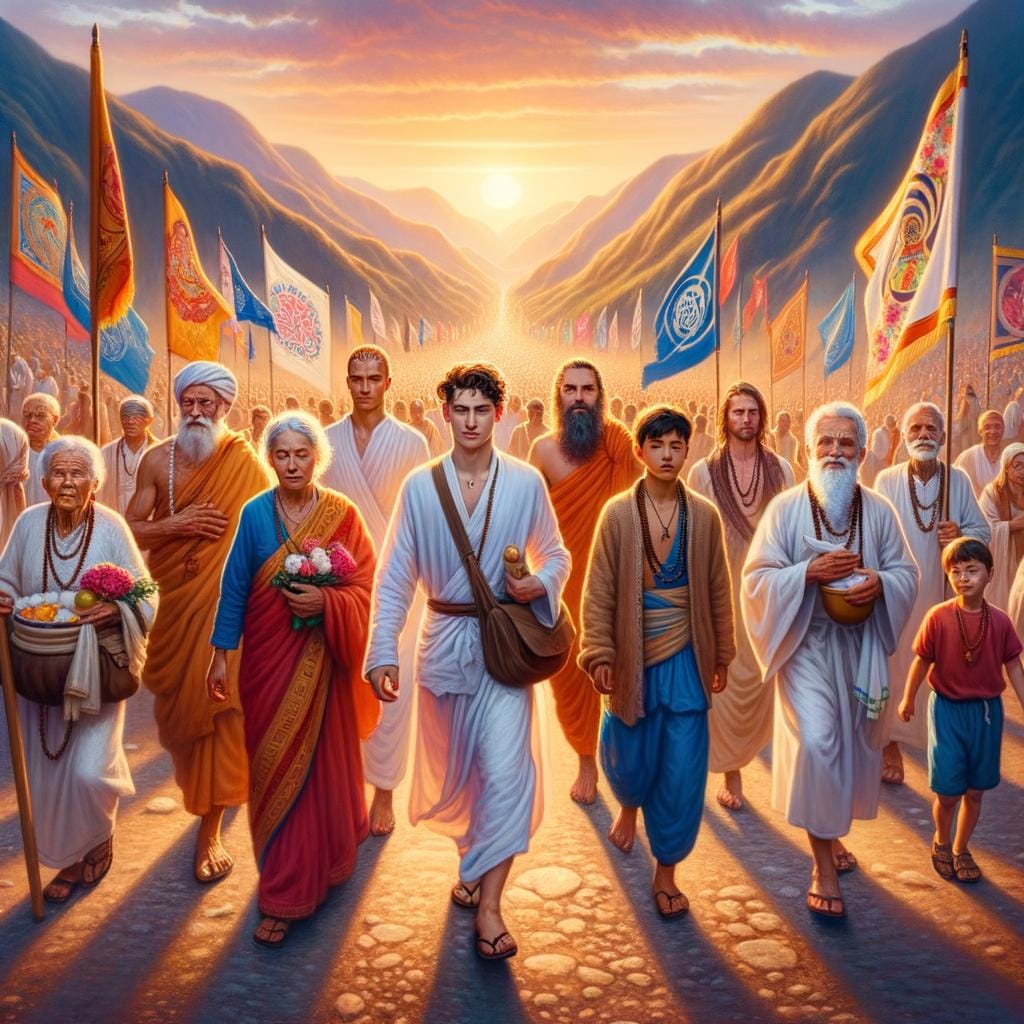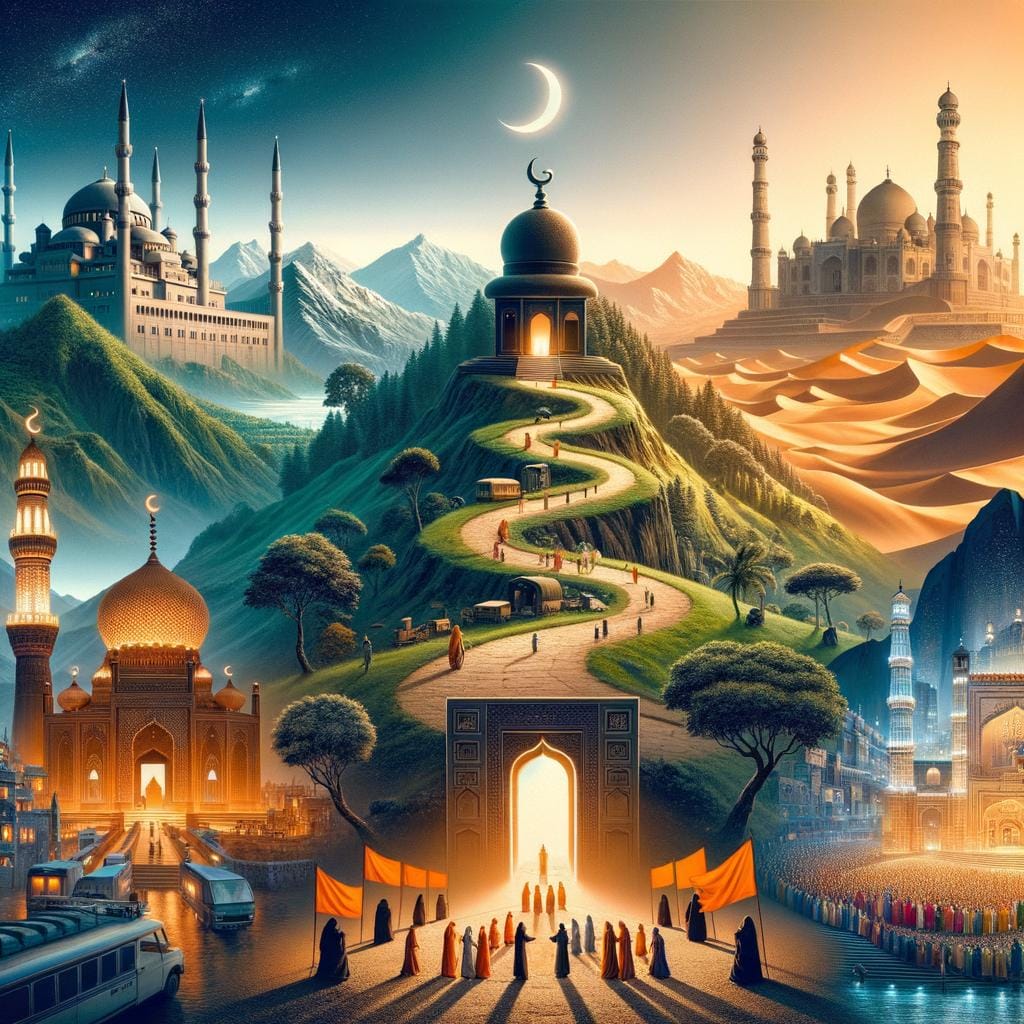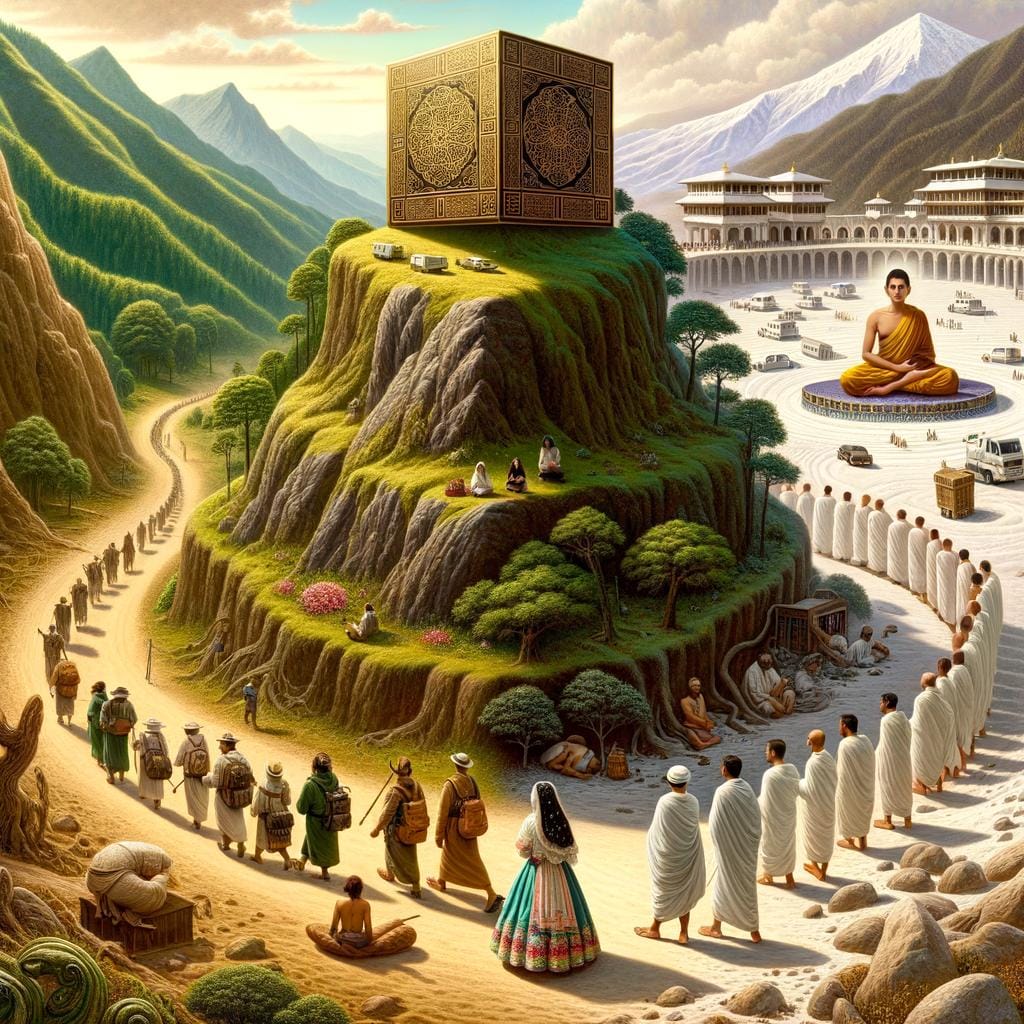

Sacred pilgrimage ceremonies have long been a revered and pivotal aspect of various religious and spiritual traditions around the world. These ceremonies hold a profound significance for individuals seeking to deepen their connection with their beliefs, higher power, or inner selves through a journey of spiritual significance. Through rituals, traditions, and transformative experiences, sacred pilgrimage ceremonies offer participants an opportunity for reflection, growth, and renewal.
Throughout history, pilgrimage ceremonies have played a crucial role in the spiritual lives of people across cultures and continents. From the ancient practices of walking the Camino de Santiago in Spain to the annual Hajj pilgrimage in Islam, these sacred journeys have been undertaken as acts of devotion, penance, or seeking enlightenment. The rich tapestry of pilgrimage traditions reflects humanity’s enduring quest for meaning, connection, and transcendence beyond the mundane aspects of daily life.
The profound connection between spirituality and pilgrimage is rooted in the belief that embarking on a sacred journey can lead to personal transformation and spiritual awakening. Many individuals view pilgrimage as a way to cleanse the soul, seek guidance from higher powers, or cultivate a deeper sense of purpose in their lives.
By immersing themselves in sacred spaces and participating in time-honored rituals, pilgrims often experience moments of clarity, insight, and peace that can profoundly impact their spiritual well-being.
History of Pilgrimage Ceremonies Around the World
Throughout history, pilgrimage ceremonies have been a common practice in various cultures and religions around the world. These journeys to sacred sites hold deep spiritual significance and are often seen as a way to connect with higher powers, seek healing, or express devotion.
The roots of pilgrimage ceremonies can be traced back to ancient times when people would travel long distances on foot to visit holy sites and engage in rituals meant to cleanse the soul and renew one’s faith.
Ancient Pilgrimage Traditions
In ancient civilizations such as Egypt, Greece, and Mesopotamia, pilgrimage ceremonies were an integral part of religious practices. For example, the Greeks would make treks to Delphi to consult the oracle, seeking guidance from the gods. In Egypt, pilgrims would journey to temples along the Nile River to pay homage to their deities and seek blessings for their lives. These early pilgrimage traditions laid the foundation for future generations to continue seeking spiritual fulfillment through sacred journeys.
Pilgrimage Ceremonies in Buddhism and Hinduism
Buddhism and Hinduism also have rich histories of pilgrimage ceremonies that date back thousands of years. In Buddhism, followers embark on journeys to key sites associated with the life of Buddha, such as Lumbini in Nepal where he was born, or Bodh Gaya in India where he attained enlightenment.
These pilgrimages are seen as opportunities for reflection, meditation, and enlightenment. Similarly, in Hinduism, pilgrims visit sacred sites like Varanasi on the banks of the Ganges River or Tirupati Balaji Temple in India to fulfill vows made to specific deities or seek blessings for their families and loved ones.
The Connection Between Spirituality and Pilgrimage
Pilgrimage has been deeply intertwined with spirituality across various cultures and religions, serving as a profound journey of faith and devotion. The act of embarking on a pilgrimage signifies a spiritual quest, seeking answers, enlightenment, or divine connection.
This sacred practice allows individuals to transcend the mundane aspects of life and immerse themselves in a higher purpose. The connection between spirituality and pilgrimage is rooted in the belief that visiting holy sites or undertaking specific rituals can lead to spiritual growth, inner peace, and a deeper understanding of one’s faith.
Throughout history, pilgrimage has played a crucial role in numerous spiritual traditions, from the ancient pilgrimage routes of the Camino de Santiago in Spain to the annual Hajj pilgrimage to Mecca in Islam. These journeys are not merely physical travel but symbolic representations of the spiritual path towards enlightenment.
Many pilgrims engage in prayer, meditation, and other devotional practices during their journey, reinforcing their connection to their faith and the sacredness of the places they visit. The act of walking along sacred paths or participating in rituals at holy sites helps individuals to deepen their spiritual awareness and foster a stronger sense of reverence for the divine.
For many individuals, engaging in sacred pilgrimage ceremonies offers a transformative experience that goes beyond religious observance. It can be a profound way to connect with one’s inner self, reflect on personal beliefs and values, and gain new perspectives on life.
The sense of community and shared purpose among fellow pilgrims can also enhance feelings of belonging and unity. Ultimately, the connection between spirituality and pilgrimage revolves around the belief that embarking on this journey can lead to personal growth, spiritual fulfillment, and a deeper connection with something greater than oneself.
| Spirituality | Pilgrimage |
|---|---|
| Enlightenment | Devotion |
| Innner Peace | Sacred Practice |
Popular Sacred Pilgrimage Destinations and Their Unique Ceremonies
Sacred pilgrimage ceremonies hold a deep significance in various cultures around the world, with each destination offering its own unique rituals and traditions. One such popular sacred pilgrimage destination is the city of Varanasi in India.
Known as one of the oldest continuously inhabited cities in the world, Varanasi is considered a holy city by Hindus and Buddhists alike. Pilgrims visit this spiritual hub to participate in ceremonies such as Ganga Aarti, where they offer prayers to the sacred river Ganges at sunrise and sunset, seeking spiritual cleansing and blessings.
Another renowned sacred pilgrimage destination is Mecca in Saudi Arabia, which holds great importance for Muslims worldwide. The annual Hajj pilgrimage sees millions of Muslim pilgrims from around the globe gather in Mecca to perform religious rites, following in the footsteps of Prophet Muhammad. The journey culminates with the Tawaf ritual, where pilgrims walk around the Kaaba seven times as an act of devotion and unity.
In Japan, the ancient city of Kyoto serves as a significant sacred pilgrimage destination for followers of Shintoism and Buddhism. Here, visitors can partake in traditional tea ceremonies, visit historic temples and shrines, or even embark on the Kumano Kodo pilgrimage trail through lush forests and mountainous terrain. These diverse experiences not only offer spiritual fulfillment but also showcase the rich cultural heritage embedded within these sacred sites.
The Role of Rituals and Traditions in Pilgrimage Ceremonies
Sacred pilgrimage ceremonies are deeply rooted in rituals and traditions that have been passed down through generations. These rituals play a crucial role in the spiritual journey of individuals embarking on a pilgrimage, guiding them through a transformative experience. Here are some key aspects of the role of rituals and traditions in pilgrimage ceremonies:
- Preservation of Culture: Rituals and traditions are often intertwined with the cultural heritage of a particular sacred site or community. They serve as a way to preserve and transmit cultural practices from one generation to the next.
- Sacred Symbols: Many pilgrimage ceremonies involve the use of sacred symbols that hold deep spiritual significance for participants. These symbols may represent aspects of the divine, ancestral connections, or specific teachings relevant to the pilgrimage.
- Guidance and Support: Rituals provide structure and guidance for pilgrims as they navigate their spiritual journey. They offer a sense of order and purpose, helping individuals connect with the deeper meaning behind their pilgrimage.
Participating in these rituals can create a sense of unity among pilgrims, fostering a collective experience that transcends individual differences. The shared practice of traditional ceremonies can build bonds within communities and establish connections with something greater than oneself.
Ultimately, rituals and traditions in pilgrimage ceremonies serve as a bridge between the material world and the spiritual realm. They offer participants a unique opportunity to connect with their faith, deepen their understanding of themselves, and experience personal growth. By honoring these age-old practices, individuals can gain insight into their own beliefs and values while also paying homage to the sacredness of the pilgrimage journey.
Personal Experiences of Individuals Participating in Pilgrimage Ceremonies
Embarking on a sacred pilgrimage is a deeply personal and spiritual journey for many individuals. The experience of participating in pilgrimage ceremonies can vary greatly depending on the destination, the traditions observed, and the individual’s own beliefs and intentions. For some, it is a profound act of devotion and worship, while for others, it is a quest for spiritual enlightenment and self-discovery.
One common thread among those who have participated in sacred pilgrimage ceremonies is the overwhelming sense of awe and reverence that accompanies such an experience. Whether walking along the Camino de Santiago in Spain or circumambulating the sacred Mount Kailash in Tibet, pilgrims often speak of feeling a deep connection to something greater than themselves. The rituals and traditions observed during these ceremonies serve to deepen this connection and provide a sense of purpose and meaning to the journey.
In addition to the spiritual aspects, many individuals also describe the physical challenges faced during pilgrimage ceremonies. Trekking through rugged terrain, enduring long periods of fasting or abstaining from certain comforts, and facing inclement weather are all part of the pilgrimage experience. Despite these challenges, participants often emerge with a renewed sense of strength, resilience, and gratitude for both the journey itself and their own physical capabilities.
| Sacred Pilgrimage Experiences | Emotional Impact |
|---|---|
| Feeling deep connection | Awe and reverence |
| Physical challenges faced | Renewed strength and resilience |
The Impact of Sacred Pilgrimage Ceremonies on Mental and Emotional Well-Being
Sacred pilgrimage ceremonies hold a profound significance in the spiritual and emotional well-being of individuals who partake in them. These ceremonial journeys are not just physical experiences but also deeply transformative encounters that can have a lasting impact on one’s mental and emotional state. The act of embarking on a sacred pilgrimage often symbolizes a deep commitment to personal growth, reflection, and connection to something greater than oneself.
Healing and Renewal
One significant aspect of sacred pilgrimage ceremonies is the potential for healing and renewal. Many people undertake pilgrimages as a way to seek solace, find answers to life’s challenges, or simply to heal from past trauma or emotional wounds.
The process of journeying to sacred sites, engaging in rituals, and connecting with others on a similar path can provide a sense of peace, release, and inner transformation. It allows individuals to let go of burdens they have been carrying and open themselves up to new possibilities for growth and healing.
Connection to Spirituality
Participating in sacred pilgrimage ceremonies offers individuals a unique opportunity to deepen their connection to spirituality. Whether it be through traditional rituals, meditation practices, prayer, or simply immersing oneself in the energy of a holy site, pilgrimages can facilitate a profound spiritual experience.
This deepened connection can bring about feelings of inner peace, clarity, and purpose in life. By engaging in these ceremonies with intention and devotion, individuals often feel more connected not only to themselves but also to the divine or higher power they believe in.
Community and Support
Another important aspect of sacred pilgrimage ceremonies is the sense of community and support that participants often find along the way. Whether traveling alone or with a group, pilgrims bond over shared experiences, beliefs, and aspirations during these journeys. The relationships formed during pilgrimages can offer comfort, understanding, encouragement, and companionship throughout the process. This sense of community can be an invaluable source of strength for individuals facing personal challenges or seeking guidance on their spiritual path.
How to Prepare for and Participate in a Sacred Pilgrimage Ceremony
Sacred pilgrimage ceremonies hold a special place in the hearts of individuals seeking spiritual fulfillment and connection to something greater than themselves. Preparation for and participation in such ceremonies require careful consideration and respect for the traditions and customs associated with the sacred journey. Here are some essential steps to take when getting ready for a sacred pilgrimage ceremony:
- Research the destination: Before embarking on a sacred pilgrimage, it is important to educate yourself about the history, significance, and rituals associated with the specific location you will be visiting. Understanding the cultural context of the ceremony will allow you to fully immerse yourself in the experience.
- Pack mindfully: As you prepare for your journey, ensure that you pack necessities such as appropriate clothing, comfortable footwear, water, snacks, and any items required for specific rituals or offerings. It is also advisable to carry a journal or notebook to document your thoughts and reflections throughout the pilgrimage.
- Mental and emotional preparation: Prepare yourself mentally and emotionally for the sacred pilgrimage ceremony by setting intentions, meditating, or engaging in prayer practices. Reflect on what you hope to gain from the experience and be open to receiving spiritual insights along the way.
Participating in a sacred pilgrimage ceremony requires humility, reverence, and a willingness to be transformed by the journey. Here are some ways to make the most out of your participation:
- Practice mindfulness: During the ceremony, stay present in each moment and observe all that unfolds around you with an open heart and mind. Engage with fellow pilgrims respectfully and honor the sanctity of the space where rituals are performed.
- Embrace challenges: Pilgrimage ceremonies may present physical or emotional challenges along the way. Embrace these difficulties as opportunities for growth and self-discovery. Trust in your resilience and faith to guide you through any obstacles that arise.
- Reflect on your experiences: After completing a sacred pilgrimage ceremony, take time to reflect on your journey and its impact on your mental, emotional, and spiritual well-being. Consider how you can integrate these insights into your daily life moving forward.
By preparing thoughtfully and participating wholeheartedly in a sacred pilgrimage ceremony, individuals can deepen their spiritual connection, gain valuable insights about themselves and their place in the world, and experience personal transformation that extends beyond their physical journey.
The Future of Sacred Pilgrimage Ceremonies in a Modern World
Sacred pilgrimage ceremonies have a rich history dating back centuries, transcending cultural and religious boundaries. These spiritual journeys have always held profound significance for individuals seeking connection, enlightenment, and transformation. As we look towards the future of sacred pilgrimage ceremonies in a modern world, it is essential to acknowledge their enduring relevance and potential for continued growth.
In today’s fast-paced and technology-driven society, the allure of sacred pilgrimage ceremonies remains strong as people yearn for authentic experiences that offer solace and meaning. The timeless practice of embarking on a pilgrimage continues to resonate with individuals seeking spiritual fulfillment amidst the distractions of modern life. As we navigate an increasingly interconnected yet fragmented world, sacred pilgrimage ceremonies provide a space for introspection, renewal, and deepening one’s understanding of the self and the divine.
Despite the challenges posed by societal changes and evolving cultural norms, sacred pilgrimage ceremonies are adapting to meet the needs of contemporary pilgrims. Whether through innovative approaches to traditional rituals or the incorporation of sustainable practices into sacred sites, these ceremonies continue to evolve while honoring their ancient roots. The transformative power of embarking on a sacred pilgrimage remains as potent as ever, offering individuals a pathway to personal growth, healing, and transcendence amidst the complexities of our modern world.
Frequently Asked Questions
What Is a Sacred Pilgrimage?
A sacred pilgrimage is a journey undertaken by individuals for religious or spiritual reasons. It is seen as a way to connect with higher powers, seek blessings, gain spiritual insights, or show devotion to a particular deity or place.
What Are the Three Types of Pilgrimage?
The three types of pilgrimage are religious, secular, and cultural. Religious pilgrimages involve visits to holy sites or shrines associated with a specific faith tradition. Secular pilgrimages focus on historical, political, or personal significance. Cultural pilgrimages celebrate heritage and traditions.
What Is an Example of Religious Pilgrimage?
An example of a religious pilgrimage is the Hajj in Islam, which involves traveling to Mecca at least once in a lifetime for those who are physically and financially able. Pilgrims perform rituals such as circling the Kaaba and throwing stones at pillars symbolizing Satan in this sacred journey.

Founder and Chief Editor: With a decade of experience in the travel industry and a lifetime passion for holistic health, Debra ensures that every piece of content on Wellness Travel Hub reflects our mission and values.